|
|
|||
|
||||
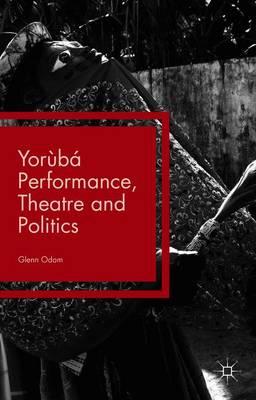
OverviewThis book explains the connections between traditional performance (e.g. masked dances, prophecy, praise recitations), contemporary theatre (Wole Soyinka, Ola Rotimi, Tess Onwueme, Femi Osofisan, and Stella Oyedepo) , and the political sphere in the context of the Yorùbá people in Nigeria. Full Product DetailsAuthor: Glenn OdomPublisher: Palgrave Macmillan Imprint: Palgrave Macmillan Edition: 1st ed. 2015 Dimensions: Width: 14.00cm , Height: 1.10cm , Length: 21.60cm Weight: 3.256kg ISBN: 9781137492784ISBN 10: 1137492783 Pages: 162 Publication Date: 04 August 2015 Audience: College/higher education , Postgraduate, Research & Scholarly Format: Hardback Publisher's Status: Active Availability: In Print This item will be ordered in for you from one of our suppliers. Upon receipt, we will promptly dispatch it out to you. For in store availability, please contact us. Table of Contents1. Performance and Ìfægbôntáayé«e: Genre, Knowledge, and Politics 2. A Critique of Yorùbá Judgment: Individual Authority, Community Creation, and the Embodiment of À«÷ 3. What Matter Who Dances: Self-fashioning, (non)Subjects, and the Nation 4. No Victor, no Vanquished, no Past: Ola Rotimi, Yakubu Gowon, Sani Abacha, and ' 'The End of Nigerian History ' ' 5. Values beyond Ethics: From Stella Dia Oyedepo to Tess Onwueme 6. Conclusions: Civil Governance and the Politics of Yorùbá Theatre Bibliography IndexReviews“Glenn Odom’s Yorùbá Performance, Theatre and Politics creatively links the politics of ritual and theatrical performances to the rhetoric and policies of some of Nigeria’s leading nationalist politicians and civilian and military leaders from the 1950s to the early 1990s. … A major strength of Odom’s work is the rich array of ethnographic and oral sources that he uses to illuminate a Yoruba vocabulary in particular.” (John Thabiti Willis, TDR: The Drama Review, Vol. 63 (1), 2019) Glenn Odom's Yoruba Performance, Theatre and Politics creatively links the politics of ritual and theatrical performances to the rhetoric and policies of some of Nigeria's leading nationalist politicians and civilian and military leaders from the 1950s to the early 1990s. ... A major strength of Odom's work is the rich array of ethnographic and oral sources that he uses to illuminate a Yoruba vocabulary in particular. (John Thabiti Willis, TDR: The Drama Review, Vol. 63 (1), 2019) Author InformationGlenn Odom is Senior Lecturer at the University of Roehampton, UK. His previous publications include articles in journals such as Comparative Drama, Comparative Literature, TDR (The Drama Review) and Studies in English Literature. Tab Content 6Author Website:Countries AvailableAll regions |
||||