Overview
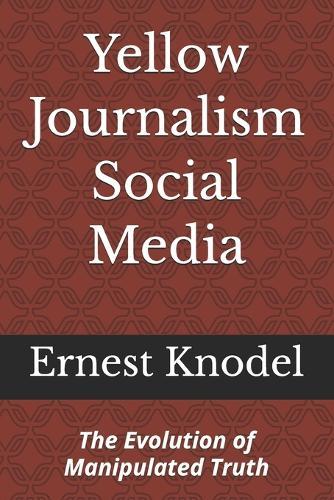
Every morning, millions of us wake up and reach for our phones before our feet hit the floor. The blue glow of a screen replaces the sun's rise. Newsfeeds scroll past, each headline louder than the last. Outrage, shock, and fear are everywhere threaded through stories that demand our eyes, our clicks, and our outrage. It feels like the line between what's real and what's meant to rile us has blurred, maybe for good. This constant stream is not an accident. It is the result of a history that began long before Facebook, Twitter, or TikTok. More than a hundred years ago, publishers used bold, exaggerated headlines and scandals to sell papers. They call it yellow journalism. It worked then for one reason: it played on emotion, not truth. Today, those same tactics drive digital engagement at a scale the old publishers could never have imagined. The headlines have changed, but the psychology remains the same. I have watched this change unfold over decades. My early years were spent with black-and-white newspapers and trusted voices on the radio. Later, I lived through the first cable news cycles, the rise of the 24-hour news crawl, and now the explosion of social media. I have seen how quickly information can shape a community or mislead it. Manipulated by an author, and a lifelong student of both technology and human nature, I worry deeply about what this new age of manipulated truth means for all of us-especially for young people who have never known a world without it. The stakes are not abstract. They are personal and urgent. That quick check of the phone in the morning turns into hours of scrolling by night. Stories designed for outrage keep us awake, anxious, and restless. The more we scroll, the more we see the same themes: conflict, disaster, division. Relationships suffer as we compare our lives to carefully curated stories. Our focus slips as notifications interrupt our train of thought. Sleep becomes shallow. Honest conversations feel more complex to start and more challenging to finish. For many, especially the youngest among us, online popularity has become a kind of currency-measured in likes, shares, and followers, but empty of real value. This book is for anyone who feels caught in this predicament. It's for adults who wonder why the world seems angrier and more confused. It's for young people trying to make sense of their place in a noisy, competitive digital landscape. It's for seniors, parents, educators, and professionals, anyone searching for clarity and truth in a time when both feel hard to find. If you care about your own well-being or the well-being of the next generation, this book is for you.
Full Product Details
Author: Barbara Knodel ,
Ernest Knodel
Publisher: Independently Published
Imprint: Independently Published
Dimensions:
Width: 15.20cm
, Height: 1.00cm
, Length: 22.90cm
Weight: 0.259kg
ISBN: 9798276599298
Pages: 188
Publication Date: 30 November 2025
Audience:
General/trade
,
General
Format: Paperback
Publisher's Status: Active
Availability: Available To Order

We have confirmation that this item is in stock with the supplier. It will be ordered in for you and dispatched immediately.