Overview
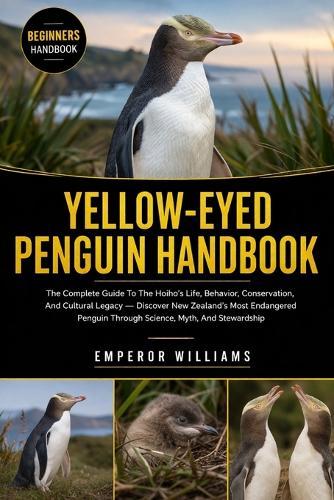
Introduction to the Yellow-Eyed Penguin The Yellow-eyed Penguin, Megadyptes antipodes, stands apart in the avian world as a living emblem of rarity, endurance, and ecological fragility. Endemic to New Zealand, this striking bird, known locally by the Māori name Hoiho-meaning ""the noise shouter"" or ""noisy one""-is often described as the world's rarest penguin species. Its haunting calls, golden gaze, and solitary habits set it apart from the bustling colonies of its Antarctic relatives. The story of the Yellow-eyed Penguin is a blend of natural wonder, ancient lineage, and urgent conservation-a reflection of New Zealand's broader struggle to preserve its distinctive biodiversity against the rising tide of environmental change. A Penguin Unlike Any Other Most penguins are celebrated for their sociability: vast colonies of Adélie, Emperor, or Gentoo penguins crowd icy beaches in a spectacular show of communal life. The Yellow-eyed Penguin defies that stereotype. It prefers quiet isolation, nesting in secluded coastal forests or dense shrubs rather than on open beaches. This solitary nesting behavior is one of its most defining and evolutionarily curious traits. It reduces competition for food and space but increases vulnerability to introduced predators and habitat disturbance. While most penguins thrive on strength in numbers, the Yellow-eyed Penguin depends on secrecy, stealth, and the protection of thick vegetation to rear its young. The species' appearance mirrors its uniqueness. A pale-yellow band of feathers arches from one eye to the other, framing the head in soft gold and distinguishing it instantly from any other penguin. Beneath its sleek exterior lies a powerful swimmer capable of diving more than 100 meters to hunt small fish and squid. Adults stand about 60 centimeters tall and weigh between five and seven kilograms, making them medium-sized among penguins but remarkably sturdy. Their plumage shifts with the seasons-glossy and waterproof during foraging months, then dull and loose during the annual molt when they remain land-bound for weeks, vulnerable yet resilient. An Ancient Lineage The evolutionary story of the Yellow-eyed Penguin traces back millions of years to a time when penguins diversified across the Southern Ocean. Fossil evidence suggests that the genus Megadyptes may have diverged from other penguin lineages more than four million years ago, possibly descending from an ancestral group that once spread throughout the sub-Antarctic. Over geological time, as climates shifted and islands formed, Megadyptes antipodes evolved in isolation on the temperate coasts of New Zealand, adapting not to ice and snow but to mist-shrouded forests and turbulent coastal waters. This lineage survived countless natural changes, but human arrival brought challenges unlike any it had faced before. Māori settlers, who reached New Zealand around the 13th century, revered the Hoiho as a sea creature deserving respect. While they occasionally hunted it for food or feathers, they maintained a spiritual connection to its wildness. Later, European colonization in the 19th century dramatically altered this balance. Coastal deforestation, introduced predators such as stoats and cats, and commercial fishing began to erode the delicate web of habitats the penguins relied upon. The once-abundant populations along the Otago and Southland coasts started to decline, marking the beginning of a conservation struggle that continues today.
Full Product Details
Author: Emperor Williams
Publisher: Independently Published
Imprint: Independently Published
Dimensions:
Width: 15.20cm
, Height: 1.20cm
, Length: 22.90cm
Weight: 0.299kg
ISBN: 9798259336193
Pages: 220
Publication Date: 29 April 2026
Audience:
General/trade
,
General
Format: Paperback
Publisher's Status: Active
Availability: Available To Order

We have confirmation that this item is in stock with the supplier. It will be ordered in for you and dispatched immediately.