Overview
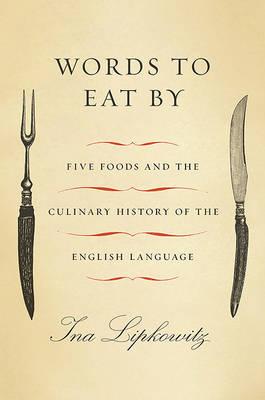
English food words tell a remarkable story about the evolution of our language and culinary history, revealing a collision of cultures from the time Caesar first arrived on British shores to the present day. Words to Eat By explores the stories behind five of our most basic food words, words which reveal our powerful associations with certain foods. Using sources that range from Roman histories to Julia Child's recipes, Ina Lipkowitz shows how saturated with French and Italian names the English culinary vocabulary is. But the words for our most basic foodstuffs--bread, milk, leek, meat, and apple--are still rooted in Old English. Words to Eat By will make readers reconsider the foods they eat and the words they use to describe them. Brimming with information, this book offers an analysis of our culinary and linguistic heritage that is as accessible as it is enlightening.
Full Product Details
Author: Ina Lipkowitz
Publisher: St. Martin's Press
Imprint: St. Martin's Press
Dimensions:
Width: 14.50cm
, Height: 2.70cm
, Length: 21.20cm
Weight: 0.381kg
ISBN: 9780312662189
ISBN 10: 0312662181
Pages: 304
Publication Date: 05 July 2011
Audience:
General/trade
,
General
Format: Hardback
Publisher's Status: Out of Print
Availability: In Print

Limited stock is available. It will be ordered for you and shipped pending supplier's limited stock.
Reviews
Words to Eat By abounds with...delicious historical detail. Ms. Lipkowitz...is an appealing mixture of scholar and foodie, and she has written a toothsome study of the relationship between English-speakers' culinary and linguistic heritage.The sum effect is a hymn to the comforting, honest pleasures of food and at the same time a perceptive account of the ways in which many of our tastes were determined hundreds and indeed thousands of years ago. The Wall Street Journal .. .a lively blend of linguistics, culinary detail (including ancient recipes), religious and cultural works, and Lipkowitz's own vigorous inquiry....it's hard to imagine reading a menu quite the same way again after reading this elegant, thoughtful book. -- The Boston Globe <p>.. .a delectable culinary sampler. This feast for foodies everywhere is chock-full of unexpectedly tasty tidbits of information in support of the author's premise that the manner in which we prepare, enjoy, and communicate about food speaks
<p>.. .a delectable culinary sampler. This feast for foodies everywhere is chock-full of unexpectedly tasty tidbits of information in support of the author's premise that the manner in which we prepare, enjoy, and communicate about food speaks volumes about our cultural and linguistic heritage. Enjoy! -- Booklist <p>.. .[a] winsome, delightful, and appetizing romp through the development of our language regarding food. -- Publishers Weekly <p> Ever wonder about the origin and social life of food words and their ability to evoke powerful reactions, both positive and negative? Ina Lipkowitz takes us on a fascinating journey through the history of names for various foods and the reasons why some prevail in Northern European languages while others proliferate in the south; why some refer to the animal in the field and others to the food on the plate. Here is one delicious rumination for lovers of the gastronomic lexicon, ranging from apples and leeks to milk, beef and bread. Nothing les
<p>.. .a delectable culinary sampler. This feast for foodies everywhere is chock-full of unexpectedly tasty tidbits of information in support of the author's premise that the manner in which we prepare, enjoy, and communicate about food speaks volumes about our cultural and linguistic heritage. Enjoy! -- Booklist <p>.. .[a] winsome, delightful, and appetizing romp through the development of our language regarding food. -- Publishers Weekly <p> Brings a depth of historical and linguistic relevance to the table. -- Kirkus Reviews <p> Ever wonder about the origin and social life of food words and their ability to evoke powerful reactions, both positive and negative? Ina Lipkowitz takes us on a fascinating journey through the history of names for various foods and the reasons why some prevail in Northern European languages while others proliferate in the south; why some refer to the animal in the field and others to the food on the plate. Here is one delicious rumination for lovers of t
Author Information
INA LIPKOWITZ teaches English at MIT where she leads classes on fiction and the Bible. She lives in Winchester, Massachusetts.