Overview
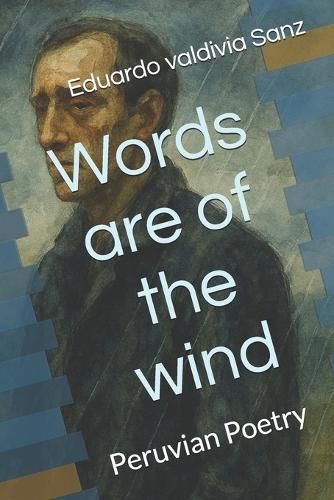
A key and a mirror set the book's tension: endings unlock beginnings, and the poems watch the reader as the reader looks in. What follows is a ""life-book,"" a cartography of thresholds-love and loss, time and memory, matter and spirit-mapped through rooms and coasts, cities and caverns, even a Martian descent. Images recur in spirals not to repeat but to revise, wagering that a life can be edited toward truth without erasing its scars. An alchemical triptych-Nigredo, Albedo, Rubedo-provides the grammar of change: darkness as maternal, bones as conductors of light, gold as heartbeat. Mirrors threaten and promise; silence calibrates speech. The ethic is counterintuitive: harvest light so shadow can sleep within it. Myth speaks in the present. Theseus, Dante, and Odysseus arrive as contemporaries; labyrinths become office corridors; Virgil walks a fluorescent hallway; the Norns hum over a keel that is also a debt-pierced life. Collage rewires perception, compressing time so past and present can be judged together. The poems test witness and the ethics of saying. Do deaths occur if unnamed? Rivers, wind, earth-even furniture-claim the right to judge. Nouns refuse neutrality; language cannot feign innocence. Writing happens under the gaze of the objects it names. A ""gray man"" cycle sketches optimization without soul: reports with ""0 living words,"" glass towers, banned public poetry. Yet resistance flickers- a torn notebook on the wind, a pocketed feather, a whisper that persists. Language slips the net. Catastrophe becomes crucible: ash winds and slag-woven tombs shelter a seed that breathes beneath the scoria. Return is revision, not doom; fire at daybreak signals a new grammar of beginnings. Love acts as metaphysics. In the erotic sequences, touch is cosmology; the beloved's gaze claims that a single night teaches the stars sufficiency. Choice is consented recurrence-a Sisyphus who shapes fate. Childhood and place repair time. Northern coasts, kitchens, benches, and carpenters are proofs that time, rightly held, distills rather than imprisons. In the city, a child pocketing a feather continues this ethic: small custody rescues meaning from policy. Formally, the collection is varied and exacting: gnomic flashes beside long narratives, choral dramas beside documentary parables. Concrete diction-bone, ash, barometer, oars, mezzanine, terracotta, spreadsheets-carries the metaphysical without inflation. Verbs work; images bear cause and consequence. Clarity is a duty to reality. How to read: walk it like a dawn city. Begin anywhere; notice streets answering streets, graffiti echoing an epigraph, a child's pocket replying to a riddle. Carry three tools: a thread (return), a key (endings unlock), and a mirror (be watched back). By the end of ""The Book,"" what breathes is fixed-finality as mercy. If the last word returns you to the first, the opening emblems have done their work.
Full Product Details
Author: Eduardo Valdivia Sanz
Publisher: Independently Published
Imprint: Independently Published
Dimensions:
Width: 15.20cm
, Height: 0.90cm
, Length: 22.90cm
Weight: 0.263kg
ISBN: 9798268565478
Pages: 136
Publication Date: 05 October 2025
Audience:
General/trade
,
General
Format: Paperback
Publisher's Status: Active
Availability: Available To Order

We have confirmation that this item is in stock with the supplier. It will be ordered in for you and dispatched immediately.