|
|
|||
|
||||
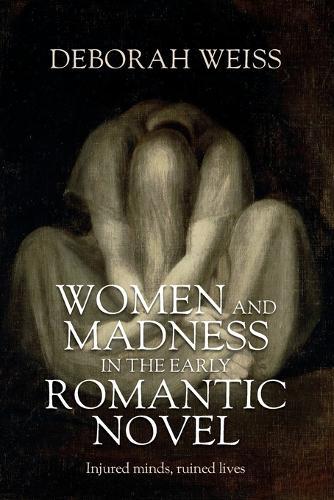
OverviewWomen and madness in the early Romantic novel returns madness to a central role in feminist literary criticism through an updated exploration of hysteria, melancholia, and love-madness in novels by Mary Wollstonecraft, Eliza Fenwick, Mary Hays, Maria Edgeworth, and Amelia Opie. This book argues that these early Romantic-period novelists revised medical and popular sentimental models for female madness that made inherent female weakness and the aberrant female body responsible for women's mental afflictions. The book explores how the more radical authors Wollstonecraft, Fenwick and Hays blamed men and patriarchal structures of control for their characters' hysteria and melancholia, while the more mainstream writers Edgeworth and Opie located causality in less gendered and less victimised accounts. Taken as a whole, the book makes a powerful case for focusing on women's mental health in eighteenth- and nineteenth-century literary criticism. Full Product DetailsAuthor: Deborah WeissPublisher: Manchester University Press Imprint: Manchester University Press Dimensions: Width: 15.60cm , Height: 1.30cm , Length: 23.40cm Weight: 0.354kg ISBN: 9781526198259ISBN 10: 1526198258 Pages: 248 Publication Date: 23 June 2026 Audience: General/trade , General Format: Paperback Publisher's Status: Forthcoming Availability: Not yet available, will be POD This item is yet to be released. You can pre-order this item and we will dispatch it to you upon it's release. This is a print on demand item which is still yet to be released. Table of ContentsReviews'Deborah Weiss explores the representation of madness as a culturally contingent expression using the trope of the “love-mad maid”'. SEL: Thematic Review -- . ‘On the journey from Sterne’s roadside ‘Mad Maria’ to Brontë’s ‘Madwoman in the Attic,’ Weiss has found not only other vivid female characters reduced by patriarchy to mania or melancholy but also the makings of a dark sequel to her excellent book on the figure of the female philosopher. ‘ —James Chandler, The University of Chicago ‘Thorough in its research, measured and persuasive in its arguments, wide-reaching in its implications, and very well-written, Weiss's splendid book shows how five exemplary novelists used the resources of narrative fiction to upend patriarchal discourses regarding women and mental health.’ —Stephen Arata, The University of Virginia -- . Author InformationDeborah Weiss is Professor of English at the University of Alabama Tab Content 6Author Website:Countries AvailableAll regions |
||||