|
|
|||
|
||||
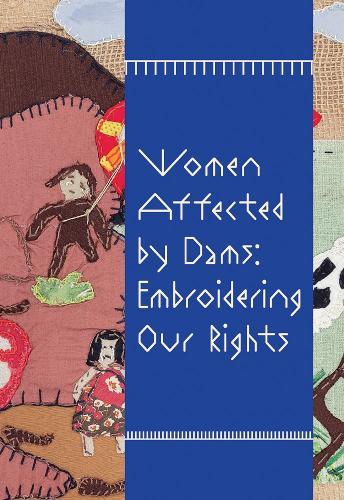
OverviewVernacular textiles as rallying call: 47 arpilleras from Brazilian women that advocate for collective construction of state infrastructure Arpilleras, colorful patchwork pieces made of scraps of fabric embroidered on jute, originated in Chile in the 1960s as an expression of female protagonism during the dictatorship of Augusto Pinochet. In subsequent years, the vernacular art form has spread across the globe, inspiring activist groups such as the National Women's Collective of the Movimento dos Atingidos por Barragens (Movement of People Affected by Dams, or MAB), a Brazilian movement that emerged in the 1980s to demand a popular energy project. Embroidering Our Rights gathers 47 arpilleras created between 2013 and 2024 by women in workshops organized by MAB throughout Brazil. The artists' textiles address issues of domestic violence; disconnection between land and community; water and electricity access; the impact of dams and river pollution on fishing and family livelihoods; and other human and environmental rights violations. Full Product DetailsAuthor: Glaucea Helena de Britto , Isabella Rjeille , Carolina Caycedo , Daiane HöhnPublisher: MASP Imprint: Museu de Arte de Sao Paulo / KMEC Books ISBN: 9786557770818ISBN 10: 6557770810 Pages: 264 Publication Date: 23 April 2026 Audience: General/trade , General Format: Hardback Publisher's Status: Active Availability: In Print This item will be ordered in for you from one of our suppliers. Upon receipt, we will promptly dispatch it out to you. For in store availability, please contact us. Table of ContentsReviewsAuthor InformationTab Content 6Author Website:Countries AvailableAll regions |
||||