|
|
|||
|
||||
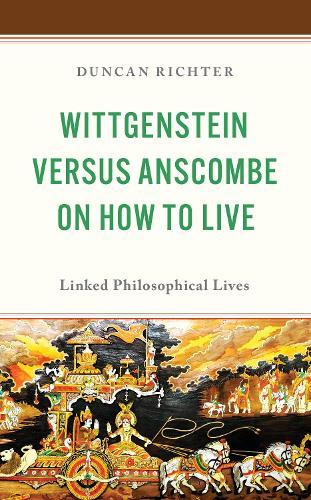
OverviewLudwig Wittgenstein (1889–1951) and Elizabeth Anscombe (1919–2001) are two of the most interesting and influential philosophers of the twentieth century, and their lives intersected in various ways. Anscombe was Wittgenstein’s friend and student, chosen by him to be his translator and editor, but the two had very different views on ethics and religion. Anscombe was a devout Catholic, while Wittgenstein was much less traditional. Each cared passionately about living the right way, and each was noted for their eccentricity. Why did they live as they did? What did they have to say about how one ought to live? And what, if anything, can we learn from them? This book explores their different beliefs about killing in war, about sexuality, about politics, about God, and about the meaning of life. Drawing on previously unpublished work by Anscombe, Duncan Richter explains where these beliefs came from, how they affected the lives of these two great philosophers, and some of the strengths and weaknesses of their divergent positions. If we understand these two thinkers better, we may improve our own chances of living a good life. Full Product DetailsAuthor: Duncan RichterPublisher: Bloomsbury Publishing Plc Imprint: Rowman & Littlefield Dimensions: Width: 16.00cm , Height: 2.00cm , Length: 23.20cm Weight: 0.780kg ISBN: 9781666981506ISBN 10: 1666981508 Pages: 256 Publication Date: 11 December 2025 Audience: Professional and scholarly , Professional & Vocational Format: Hardback Publisher's Status: Active Availability: Manufactured on demand We will order this item for you from a manufactured on demand supplier. Table of ContentsPreface Part One: Wittgenstein Part Two: Anscombe Part Three: Wittgenstein versus Anscombe Bibliography IndexReviewsAuthor InformationDuncan Richter is Charles S. Luck III ’55 Institute Professor of philosophy at the Virginia Military Institute, USA. Tab Content 6Author Website:Countries AvailableAll regions |
||||