Overview
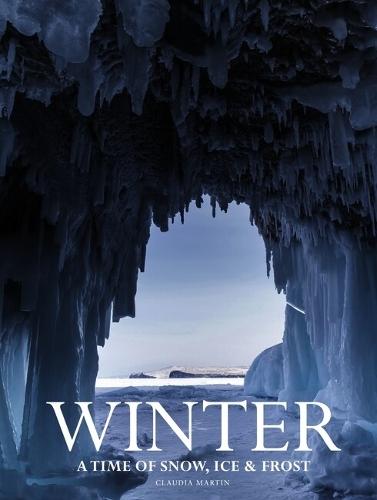
In winter, nature takes on a new, almost mystical guise. Stripped bare, its bones are revealed and its delicate beauty exposed. Vivid summer hues drain away, fading to sepia brown and inky black, focusing the eye on shape and texture and encouraging us to slow down and appreciate the breathtaking beauty and detail of nature. Experience the tranquil beauty and stillness of the coldest months of the year through incredible images of every continent. Winter is December, January, February in the Northern Hemisphere and June, July and August in the Southern Hemisphere. The concept of winter in European languages is associated with the season of dormancy. In Persian culture, the winter solstice is called Yaldā meaning birth and it has been celebrated for thousands of years. It is referred to as the eve of the birth of Mithra, who symbolised light, goodness and strength on earth. With stunning photography Winter is a lively display of this icy season across the globe.
Full Product Details
Author: Claudia Martin
Publisher: Amber Books Ltd
Imprint: Amber Books
Dimensions:
Width: 23.30cm
, Height: 2.20cm
, Length: 30.30cm
Weight: 1.350kg
ISBN: 9781838865528
ISBN 10: 1838865527
Pages: 224
Publication Date: 14 October 2025
Recommended Age: From 14 to 99 years
Audience:
General/trade
,
General
Format: Hardback
Publisher's Status: Active
Availability: In Print 
This item will be ordered in for you from one of our suppliers. Upon receipt, we will promptly dispatch it out to you. For in store availability, please contact us.
Table of Contents
Tropical climates The tropical climate in the Köppen system is defined as having an average temperature in every month of above 18°C. There is no winter season, and annual rainfall is large and exceeds the annual evaporation. We find tropical rainforest climates in South America, Africa and south-east Asia. Tropical rainforest vegetation: Bengal bamboo, bougainvillea, curare, coconut tree, durian and banana. Tropical monsoon vegetation: teak, deodar, rosewood, sandalwood and bamboo. Tropical wet and dry or savanna vegetation: acacia senegal, elephant grass, jarrah tree, gum tree eucalyptus and whistling thorn. Tropical animals: sloths, pangolins, forest deer, jaguars, lemurs, ocelots Desert climates Desert climates are extremely dry, and their cloudless skies lead to large temperature swings. Deserts have some of the hottest temperatures on Earth, but many will drop below freezing at night. One of the driest places on Earth is the Atacama Desert of Chile, on the west coast of South America. Desert vegetation: cactuses, succulents, mesquites and saguaros Desert animals: hares, gazelle, camels, foxes, kit fox, cats, arthropods, lizards, small birds, rodents, squirrels and shrews Temperate climates The cool temperate climate (D) in the Köppen climate classification is defined as having a coldest month with an average temperature below −3°C and an average temperature of the warmest month above 10°C. These climates are found in most of western Europe, western and eastern regions of USA and eastern China. Temperate vegetation: forests, grasslands and chaparral, lichen, moss, ferns, wildflowers, oak, birch, magnolia, maple and beech Temperate animals: ground squirrels, coyotes, badgers, bison, elk, monkey, otter and porcupine Continental climates Areas with continental climates have colder winters, longer-lasting snow, and shorter growing seasons. Continental climates experience extreme seasonal changes. Continental climates are mostly in the continental interiors of Canada and Russia, with some in the northern USA. Continental vegetation: a white flowering shrub; the coneflower, cranberry bush, wintergreen, Gaillardia, maidenhair fern and hydrangeas Continental animals: squirrels, chipmunks, prairie dogs, skunks and raccoons Polar climates The two polar climate types, tundra and ice cap, lie within the Arctic and Antarctic Circles near the North and South Poles. Polar vegetation: flowering plants, dwarf shrubs, herbs, grasses, mosses, and lichens Polar animals: polar bears, penguins, seals, arctic foxes, brown bear, snowy owl, and elk
Reviews
Author Information
Claudia Martin is a travel writer who has contributed to many guide books and magazines. She is also the author of books on history, geography and culture for adults and young people. She lives in London, UK.
Tab Content 6
Author Website:
Countries Available
All regions
|