Overview
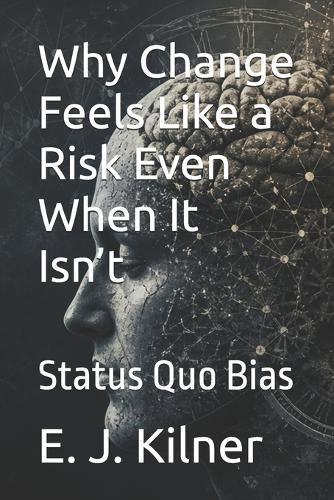
Why do people stay in jobs they hate, relationships that drain them, and cities that no longer fit? Why do they keep overpriced insurance plans, unused subscriptions, and outdated routines? The answer is not laziness. It is not fear. It is Status Quo Bias, a cognitive preference for the current state of affairs that operates automatically and unconsciously in every human mind. Status Quo Bias explains why change feels like a risk even when it is not. The brain treats the familiar as safe and the unfamiliar as threatening, regardless of the actual probabilities. Losses from change are weighted twice as heavily as equivalent gains. The endowment effect inflates the value of what you already own. Anticipated regret from action overshadows the slower, deeper regret of inaction. These mechanisms are not flaws. They are structural features of human cognition that once served survival but now keep people trapped. This book is volume 7 in The Cognitive Bias Codex series by E. J. Kilner, a nonfiction author specialising in behavioural psychology and decision science. Unlike general self help books that urge you to try harder, this volume explains the specific psychological machinery of inertia and provides structured countermeasures that work with your brain, not against it. The book explores how Status Quo Bias operates across multiple domains. Financial decisions where staying with a poor bank account or failing to negotiate salary costs thousands of dollars per year. Personal habits where familiar routines block exercise, healthy eating, and better sleep. Relationships where sunk costs and psychological ownership keep people in connections that no longer serve them. Professional life where the known role feels safer than the unknown opportunity, even when staying means stagnation. Institutions and companies deliberately exploit this bias. Automatic renewals, default enrollment, and opt out systems are designed to keep you locked in. This book reveals these tactics and shows you how to break free. The practical section provides the Decision Audit Method, a four step process for identifying when inertia is controlling you and restoring balance to the scale. You will learn to reverse default logic so the status quo competes on equal terms. You will master small levers for large inertia including the five minute rule, non zero days, temptation bundling, commitment devices, and implementation intentions. You will build a quarterly change calendar that prevents drift and ensures no domain of your life goes permanently unevaluated. Readers of behavioural economics, cognitive psychology, and practical self improvement will recognise the research base from Kahneman, Thaler, and Samuelson. But this book is not academic. It is applied. Each chapter ends with actionable techniques. The tone is analytical and neutral, not clinical or academic. Kilner treats cognitive biases as operational patterns to be managed, not character flaws to be lamented. Stop staying because you never left. Start choosing because you have evaluated. Scroll up and buy Status Quo Bias today. The cost of staying is invisible but real. This book makes it visible. And once visible, it becomes fixable.
Full Product Details
Author: Raymond Hurn ,
E J Kilner
Publisher: Independently Published
Imprint: Independently Published
Dimensions:
Width: 15.20cm
, Height: 1.00cm
, Length: 22.90cm
Weight: 0.245kg
ISBN: 9798197991393
Pages: 178
Publication Date: 21 May 2026
Audience:
General/trade
,
General
Format: Paperback
Publisher's Status: Active
Availability: Available To Order

We have confirmation that this item is in stock with the supplier. It will be ordered in for you and dispatched immediately.