Overview
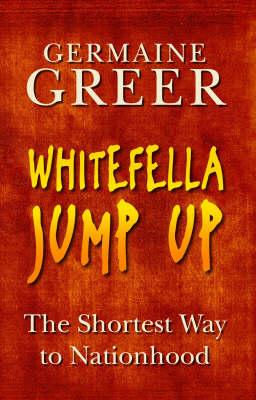
Race and racism is one of the world's most fraught issues. The problem is most acute where indigenous people have been displaced. White Australia, with its history of terrible treatment of Aborigines is an extreme case study. In this brilliant analysis Germaine Greer inverts the normal thinking, arguing that the problem is not the Aborigines, but the 'settler society'. Whitefellas, she says are out of control in Australia. There are lessons to be learned for the rest of the world too. The initial publication of this essay in Quarterly Essay generated a storm of responses. These too will be included in this volume, along with a brand new riposte from Germaine.
Full Product Details
Author: Germaine Greer
Publisher: Profile Books Ltd
Imprint: Profile Books Ltd
Edition: Main
Dimensions:
Width: 13.00cm
, Height: 1.50cm
, Length: 19.60cm
Weight: 0.170kg
ISBN: 9781861977397
ISBN 10: 1861977395
Pages: 240
Publication Date: 19 June 2004
Audience:
General/trade
,
General
Format: Paperback
Publisher's Status: Out of Print
Availability: Awaiting stock

Reviews
Greer is always enjoyable to read because her prose leaps from the page. She may rave but she is never dull. * The Age * Whitefella Jump Up does what is needed in our present cultural impasse: it jump-starts the stalled debate about black and white relations * Australian Book Review *
From native daughter and well-known feminist Greer (The Whole Woman, 1999, etc.), a provocative essay insisting that Australia can achieve political maturity only when its white citizens transform their whole way of thinking about themselves and their country. Though she now teaches and lives in England, the author still spends four months a year at her home Down Under. Her confrontational message to white Australians: first, admit that Australia is an Aboriginal country; second, confront the fact that you were born in an Aboriginal country and must therefore be considered Aboriginal. Think of Aboriginality not as a race but as a nationality, she counsels. Becoming Aboriginal, to Greer, means acquiring knowledge about the land and the relationship of human beings to the land, the kind of knowledge that Australia's blackfellas possess-or at least once possessed. The places, names, and specific events in Greer's chronicle of Australia's exploitive history will be unfamiliar to most Americans, but the story of unequal relations between white settlers and an indigenous people transcends the particulars. The author would have Australia recognize that colonization was a failure and that the republic must no longer act as a puppy running alongside the US and Britain, but as a leader among postcolonial countries. Looking to Australia's future as a hunter-gatherer nation, she envisions not a stone-age way of life but a forward-looking attempt to work for sustainable development while preserving fragile ecosystems, precious water resources, and threatened species. Originally published last year in the Australian journal Quarterly Essay, Greer's piece appears here accompanied by commentary from Quarterly editor Peter Craven and nine Australian writers, who variously interpret, attack, argue with, and occasionally praise the author, her ideas, and her way of expressing them. Greer responds to her critics in a pungent closing essay that further expounds on her thesis about Aboriginality and its value to a society burdened with guilt and suffering spiritual desolation. Hard knocks for Australian whitefellas, though perhaps less compelling for American readers. (Kirkus Reviews)
'Greer is always enjoyable to read because her prose leaps from the page. She may rave but she is never dull.' The Age
Author Information
Germaine Greer is one of the most brilliant and original thinkers of our age. Her books include the epoch-making Female Eunuch, The Change and in 2003, The Boy. She divides her time between England and Australia.