Overview
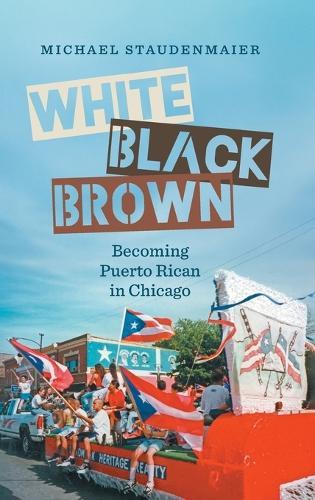
Facing persistent exploitation, discrimination, and marginalization in the second half of the twentieth century, generations of Puerto Rican organizers and activists drew on multiple competing versions of nationalism to challenge the racial order in Chicago, one of America’s most segregated cities. Initially, both supporters and opponents of Puerto Rican independence promoted the assimilation of fellow migrants as white citizens. The three-night-long Division Street Riots marked a fundamental pivot point in 1966, ending the pursuit of whiteness and opening the door to waves of nationalist militancy during the 1970s. By the 1980s and 1990s, Puerto Rican nationalists in Chicago had entered electoral politics, building a broader notion of Latinidad even as they softened its radical edges. Drawing on an extraordinary array of archival material, much of it previously inaccessible, Michael Staudenmaier highlights cultural and political projects profoundly informed by nationalist sentiments, from beauty pageants and parades to protests and bombings to elections and legal battles. Revealing how nationalism became a key site of racial formation for Puerto Ricans in Chicago, White, Black, Brown shows how they understood themselves and demanded to be seen by their neighbors and the world.
Full Product Details
Author: Michael Staudenmaier
Publisher: The University of North Carolina Press
Imprint: The University of North Carolina Press
Dimensions:
Width: 2.50cm
, Height: 15.50cm
, Length: 23.50cm
ISBN: 9781469689258
ISBN 10: 1469689251
Pages: 256
Publication Date: 28 April 2026
Audience:
College/higher education
,
Postgraduate, Research & Scholarly
Format: Hardback
Publisher's Status: Active
Availability: Not yet available

This item is yet to be released. You can pre-order this item and we will dispatch it to you upon its release.
Reviews
""An impressive work that defies any simplistic understanding of Puerto Rican racial politics. Staudenmaier's innovative approach to race, nationalism, and identity highlights the plurality of Puerto Rican identities and contributes to important debates in Chicago and beyond.""--Michael Innis-Jiménez, author of Steel Barrio: The Great Mexican Migration to South Chicago, 1915-1940 ""Michael Staudenmaier's emphasis on the historical peculiarities of how race, space, and place are linked makes a crucial and necessary addition to both Puerto Rican historiography and studies of Latinxs' experience of racialization in the United States."" --Marisol LeBrón, author of Policing Life and Death: Race, Violence, and Resistance in Puerto Rico
Author Information
Michael Staudenmaier is an independent historian and serves on the Board of Directors of Dr. Pedro Albizu Campos Puerto Rican High School in Chicago.