|
|
|||
|
||||
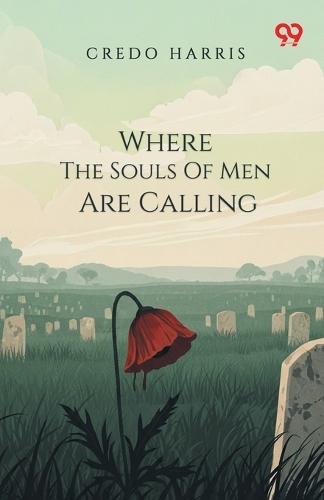
OverviewWhere the souls of men are calling examines the internal and communal struggles sparked by war's approach, portraying the quiet unraveling of certainties in a town caught between patriotic fervor and personal doubt. The narrative captures the unease of transition, where the familiar rhythms of daily life are disrupted by the invisible pull of conflict. It reflects on the emotional landscape of those left behind, their convictions tested by fear, desire, and duty. Beneath the surface of small-town civility lies a chorus of unearthed tensions anxieties of enlistment, moral questioning, and unspoken affections. As relationships shift under the weight of national obligation, the book probes how individuals negotiate love and identity in an era that demands sacrifice without clarity. The story renders war not in distant battlefields but in the tremors it sends through kitchen tables, parlor rooms, and quiet conversations, revealing how courage is often forged not in combat but in moments of internal reckoning. Full Product DetailsAuthor: Credo HarrisPublisher: Double 9 Books LLP Imprint: Double 9 Books LLP ISBN: 9789373402796ISBN 10: 937340279 Pages: 136 Publication Date: 05 September 2025 Audience: General/trade , General Format: Paperback Publisher's Status: Active Availability: Available To Order We have confirmation that this item is in stock with the supplier. It will be ordered in for you and dispatched immediately. Table of ContentsReviewsAuthor InformationCredo Fitch Harris was an American journalist, novelist, and radio station manager whose work reflected both the literary and technological transitions of the early 20th century. Born in 1874 and based in Kentucky, Harris contributed to regional literature while also playing a role in the emerging field of broadcast media. He managed WHAS, a prominent Louisville radio station, during a period of rapid development in American radio. His writing frequently explored Kentucky life, particularly in novels such as Toby, which was later adapted into the silent film One Dollar Bid. Harris's literary range extended beyond fiction, as seen in his travel book Motor Rambles in Italy and his autobiographical Microphone Memoirs, which detailed the early days of radio. His novels often dealt with identity, place, and the intersections between rural experience and broader social changes. Though not widely known today, Harris's combined legacy in literature and media marks him as a contributor to both Southern storytelling and the foundational years of American broadcasting. He died in 1956. Tab Content 6Author Website:Countries AvailableAll regions |
||||