|
|
|||
|
||||
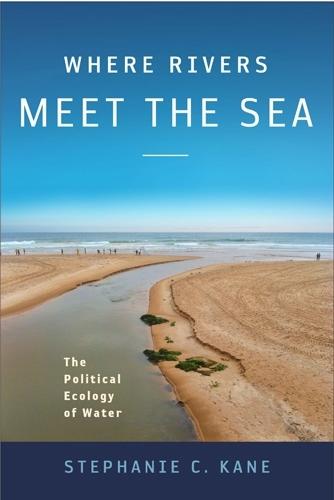
OverviewA creative, narrative approach to environmental destruction in urban waterscapes, focusing on neighborhood activists who pressure their governments to follow existing law Full Product DetailsAuthor: Stephanie KanePublisher: Temple University Press,U.S. Imprint: Temple University Press,U.S. Dimensions: Width: 15.20cm , Height: 2.30cm , Length: 22.90cm Weight: 0.499kg ISBN: 9781439909300ISBN 10: 143990930 Pages: 246 Publication Date: 01 August 2012 Audience: Professional and scholarly , Professional & Vocational Format: Hardback Publisher's Status: Active Availability: In Print This item will be ordered in for you from one of our suppliers. Upon receipt, we will promptly dispatch it out to you. For in store availability, please contact us. Table of ContentsList of Figures Acknowledgments List of Abbreviations 1 Introduction PART I Salvador da Bahia, Brazil 2 Sense and Science at the Lake of Dark Waters 3 Dune Shenanigans and Rebellious Festival Memories 4 Of Sewage, Sacrifice, and Sacred Springs Coda: The Assassination of Antonio Conceição Reis PART II Buenos Aires, Argentina 5 Water History, Water Activism 6 Iconic Bridges of la Boca and Madero (Dereliction as Opportunity) 7 Neighbors Fight to Reverse Eco-Blind Engineering in Tigre Delta 8 Convergent Protest from the Provinces: Hydroelectricity + Gold Mining = Water Predation 9 Conclusion Glossary Notes References IndexReviewsThis book is a fascinating and passionate ethnography of 'popular activism in local symbolic spaces' of Salvador, Brazil, and Buenos Aires, Argentina... [V]aluable for its comparative ethnographic account of how activists struggle with other non-state actors and state authorities regarding water in two port cities... [Kane's] ethnography tells a story that is passionate, insightful and moving, revealing the difficulties and contradictions that environmental movements face when confronting entrenched and powerful actors. - Journal of Latin American Studies, November 2013 This is an important interdisciplinary work that uses a place-based approach to examine human relationships with water in the context of globalisation... [T]he detailed explorations of the human propensity to continue to engage in devastating practices with water, and whether social and environmental justice movements can do anything about these practices is insightful...[W]hat Kane has to say is worthwhile; she illuminates the struggles that lay people face in getting juridical institutions to implement the law to protect waters in a precautionary manner. - Environmental Politics Author InformationStephanie C. Kane is Associate Professor of Criminal Justice at Indiana University with affiliations in anthropology, folklore, and gender studies. She is author of The Phantom Gringo Boat: Shamanic Discourse and Development in Panama and AIDS Alibis: Sex, Drugs, and Crime in the Americas (Temple). She is coeditor of Crime's Power: Anthropologists and the Ethnography of Crime. Tab Content 6Author Website:Countries AvailableAll regions |
||||