Overview
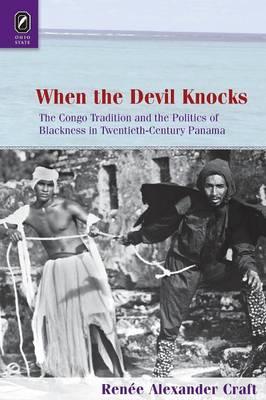
Despite its long history of encounters with colonialism, slavery, and neocolonialism, Panama continues to be an under-researched site of African Diaspora identity, culture, and performance. To address this void, Renée Alexander Craft examines an Afro-Latin Carnival performance tradition called ""Congo"" as it is enacted in the town of Portobelo, Panama-the nexus of trade in the Spanish colonial world. In When the Devil Knocks: The Congo Tradition and the Politics of Blackness in Twentieth-Century Panama, Alexander Craft draws on over a decade of critical ethnographic research to argue that Congo traditions tell the story of cimarronaje, charting self-liberated Africans' triumph over enslavement, their parody of the Spanish Crown and Catholic Church, their central values of communalism and self-determination, and their hard-won victories toward national inclusion and belonging. When the Devil Knocks analyzes the Congo tradition as a dynamic cultural, ritual, and identity performance that tells an important story about a Black cultural past while continuing to create itself in a Black cultural present. This book examines ""Congo"" within the history of twentieth century Panamanian etnia negra culture, politics, and representation, including its circulation within the political economy of contemporary tourism.
Full Product Details
Author: Renée Alexander Craft
Publisher: Ohio State University Press
Imprint: Ohio State University Press
Dimensions:
Width: 15.20cm
, Height: 1.50cm
, Length: 22.90cm
Weight: 0.381kg
ISBN: 9780814252109
ISBN 10: 0814252109
Pages: 256
Publication Date: 18 March 2016
Audience:
General/trade
,
General
Format: Paperback
Publisher's Status: Active
Availability: Available To Order

We have confirmation that this item is in stock with the supplier. It will be ordered in for you and dispatched immediately.
Reviews
With When the Devil Knocks, Ren e Alexander Craft focuses her keenly crafted ethnographic eye on how various kinds of circulation--geopolitical, intra-regional, and continental--have shaped the ways Afro-Panamanians have imagined and represented themselves over time. Hers is a model of engaged and collaborative ethnography, of performative witnessing that is sensitive to historical depth and the generational shifts catalyzed by contemporary neoliberalism. Alexander Craft shows us a politics of scholarly practice that truly makes a difference in the world. --Deborah A. Thomas, University of Pennsylvania When the Devil Knocks traces genealogies of Congo performance traditions in Panamanian culture and folklore during 1903-2003. The author argues that the complexity of black identity in Panama is marked through polyvalent contexts of the Congo ancestral culture, the descendants of the cimarrones (runaway slaves who fiercely fought for their freedom during the Spanish colonial period). Alexander Craft's When the Devil Knocks is an original and compelling study that should appeal to those interested in performance studies, critical race studies, anthropology, and Latin American, US Latina/o, and Caribbean studies. --Alicia Arrizon, University of California-Riverside This beautifully written book focuses on contemporary Panamanian Congo performance in the town of Portobelo and the community's negotiations across local, national, and transnational scales of political, economic, social, and cultural interests and pressures. In attending to these contemporary negotiations, Alexander Craft relates the history of the Portobelo Congo community to the broader history and politics of blackness in Panama. It is this balance between the macro-level history of race in Panama and the micro-level stories of training, rehearsing, and performing Congo that makes When the Devil Knocks exemplary of the very best that performance studies scholarship can achieve. --Ramon H. Rivera-Servera, Northwestern University
With When the Devil Knocks, Renee Alexander Craft focuses her keenly crafted ethnographic eye on how various kinds of circulation--geopolitical, intra-regional, and continental--have shaped the ways Afro-Panamanians have imagined and represented themselves over time. Hers is a model of engaged and collaborative ethnography, of performative witnessing that is sensitive to historical depth and the generational shifts catalyzed by contemporary neoliberalism. Alexander Craft shows us a politics of scholarly practice that truly makes a difference in the world. --Deborah A. Thomas, University of Pennsylvania When the Devil Knocks traces genealogies of Congo performance traditions in Panamanian culture and folklore during 1903-2003. The author argues that the complexity of black identity in Panama is marked through polyvalent contexts of the Congo ancestral culture, the descendants of the cimarrones (runaway slaves who fiercely fought for their freedom during the Spanish colonial period). Alexander Craft's When the Devil Knocks is an original and compelling study that should appeal to those interested in performance studies, critical race studies, anthropology, and Latin American, US Latina/o, and Caribbean studies. --Alicia Arrizon, University of California-Riverside This beautifully written book focuses on contemporary Panamanian Congo performance in the town of Portobelo and the community's negotiations across local, national, and transnational scales of political, economic, social, and cultural interests and pressures. In attending to these contemporary negotiations, Alexander Craft relates the history of the Portobelo Congo community to the broader history and politics of blackness in Panama. It is this balance between the macro-level history of race in Panama and the micro-level stories of training, rehearsing, and performing Congo that makes When the Devil Knocks exemplary of the very best that performance studies scholarship can achieve. --Ramon H. Rivera-Servera, Northwestern University
With When the Devil Knocks, Ren e Alexander Craft focuses her keenly crafted ethnographic eye on how various kinds of circulation--geopolitical, intra-regional, and continental--have shaped the ways Afro-Panamanians have imagined and represented themselves over time. Hers is a model of engaged and collaborative ethnography, of performative witnessing that is sensitive to historical depth and the generational shifts catalyzed by contemporary neoliberalism. Alexander Craft shows us a politics of scholarly practice that truly makes a difference in the world. --Deborah A. Thomas, University of Pennsylvania This beautifully written book focuses on contemporary Panamanian Congo performance in the town of Portobelo and the community's negotiations across local, national, and transnational scales of political, economic, social, and cultural interests and pressures. In attending to these contemporary negotiations, Alexander Craft relates the history of the Portobelo Congo community to the broader history and politics of blackness in Panama. It is this balance between the macro-level history of race in Panama and the micro-level stories of training, rehearsing, and performing Congo that makes When the Devil Knocks exemplary of the very best that performance studies scholarship can achieve. --Ramon H. Rivera-Servera, Northwestern University When the Devil Knocks traces genealogies of Congo performance traditions in Panamanian culture and folklore during 1903-2003. The author argues that the complexity of black identity in Panama is marked through polyvalent contexts of the Congo ancestral culture, the descendants of the cimarrones (runaway slaves who fiercely fought for their freedom during the Spanish colonial period). Alexander Craft's When the Devil Knocks is an original and compelling study that should appeal to those interested in performance studies, critical race studies, anthropology, and Latin American, US Latina/o, and Caribbean studies. --Alicia Arrizon, University of California-Riverside
When the Devil Knocks traces genealogies of Congo performance traditions in Panamanian culture and folklore during 19032003. The author argues that the complexity of black identity in Panama is marked through polyvalent contexts of the Congo ancestral culture, the descendants of the cimarrones (runaway slaves who fiercely fought for their freedom during the Spanish colonial period). Alexander Crafts When the Devil Knocks is an original and compelling study that should appeal to those interested in performance studies, critical race studies, anthropology, and Latin American, US Latina/o, and Caribbean studies. Alicia Arrizon, University of California-Riverside When the Devil Knocks traces genealogies of Congo performance traditions in Panamanian culture and folklore during 1903-2003. The author argues that the complexity of black identity in Panama is marked through polyvalent contexts of the Congo ancestral culture, the descendants of the cimarrones (runaway slaves who fiercely fought for their freedom during the Spanish colonial period). Alexander Craft's When the Devil Knocks is an original and compelling study that should appeal to those interested in performance studies, critical race studies, anthropology, and Latin American, US Latina/o, and Caribbean studies. --Alicia Arrizon, University of California-Riverside With When the Devil Knocks, Renee Alexander Craft focuses her keenly crafted ethnographic eye on how various kinds of circulation--geopolitical, intra-regional, and continental--have shaped the ways Afro-Panamanians have imagined and represented themselves over time. Hers is a model of engaged and collaborative ethnography, of performative witnessing that is sensitive to historical depth and the generational shifts catalyzed by contemporary neoliberalism. Alexander Craft shows us a politics of scholarly practice that truly makes a difference in the world. --Deborah A. Thomas, University of Pennsylvania This beautifully written book focuses on contemporary Panamanian Congo performance in the town of Portobelo and the community's negotiations across local, national, and transnational scales of political, economic, social, and cultural interests and pressures. In attending to these contemporary negotiations, Alexander Craft relates the history of the Portobelo Congo community to the broader history and politics of blackness in Panama. It is this balance between the macro-level history of race in Panama and the micro-level stories of training, rehearsing, and performing Congo that makes When the Devil Knocks exemplary of the very best that performance studies scholarship can achieve. --Ramon H. Rivera-Servera, Northwestern University With When the Devil Knocks, Renee Alexander Craft focuses her keenly crafted ethnographic eye on how various kinds of circulation geopolitical, intra-regional, and continental have shaped the ways Afro-Panamanians have imagined and represented themselves over time. Hers is a model of engaged and collaborative ethnography, of performative witnessing that is sensitive to historical depth and the generational shifts catalyzed by contemporary neoliberalism. Alexander Craft shows us a politics of scholarly practice that truly makes a difference in the world. Deborah A. Thomas, University of Pennsylvania This beautifully written book focuses on contemporary Panamanian Congo performance in the town of Portobelo and the communitys negotiations across local, national, and transnational scales of political, economic, social, and cultural interests and pressures. In attending to these contemporary negotiations, Alexander Craft relates the history of the Portobelo Congo community to the broader history and politics of blackness in Panama. It is this balance between the macro-level history of race in Panama and the micro-level stories of training, rehearsing, and performing Congo that makes When the Devil Knocks exemplary of the very best that performance studies scholarship can achieve. Ramon H. Rivera-Servera, Northwestern University
When the Devil Knocks traces genealogies of Congo performance traditions in Panamanian culture and folklore during 19032003. The author argues that the complexity of black identity in Panama is marked through polyvalent contexts of the Congo ancestral culture, the descendants of the cimarrones (runaway slaves who fiercely fought for their freedom during the Spanish colonial period). Alexander Crafts When the Devil Knocks is an original and compelling study that should appeal to those interested in performance studies, critical race studies, anthropology, and Latin American, US Latina/o, and Caribbean studies. Alicia Arrizon, University of California-Riverside When the Devil Knocks traces genealogies of Congo performance traditions in Panamanian culture and folklore during 1903-2003. The author argues that the complexity of black identity in Panama is marked through polyvalent contexts of the Congo ancestral culture, the descendants of the cimarrones (runaway slaves who fiercely fought for their freedom during the Spanish colonial period). Alexander Craft's When the Devil Knocks is an original and compelling study that should appeal to those interested in performance studies, critical race studies, anthropology, and Latin American, US Latina/o, and Caribbean studies. --Alicia Arrizon, University of California-Riverside With When the Devil Knocks, Renee Alexander Craft focuses her keenly crafted ethnographic eye on how various kinds of circulation--geopolitical, intra-regional, and continental--have shaped the ways Afro-Panamanians have imagined and represented themselves over time. Hers is a model of engaged and collaborative ethnography, of performative witnessing that is sensitive to historical depth and the generational shifts catalyzed by contemporary neoliberalism. Alexander Craft shows us a politics of scholarly practice that truly makes a difference in the world. --Deborah A. Thomas, University of Pennsylvania This beautifully written book focuses on contemporary Panamanian Congo performance in the town of Portobelo and the community's negotiations across local, national, and transnational scales of political, economic, social, and cultural interests and pressures. In attending to these contemporary negotiations, Alexander Craft relates the history of the Portobelo Congo community to the broader history and politics of blackness in Panama. It is this balance between the macro-level history of race in Panama and the micro-level stories of training, rehearsing, and performing Congo that makes When the Devil Knocks exemplary of the very best that performance studies scholarship can achieve. --Ramon H. Rivera-Servera, Northwestern University With When the Devil Knocks, Renee Alexander Craft focuses her keenly crafted ethnographic eye on how various kinds of circulation geopolitical, intra-regional, and continental have shaped the ways Afro-Panamanians have imagined and represented themselves over time. Hers is a model of engaged and collaborative ethnography, of performative witnessing that is sensitive to historical depth and the generational shifts catalyzed by contemporary neoliberalism. Alexander Craft shows us a politics of scholarly practice that truly makes a difference in the world. Deborah A. Thomas, University of Pennsylvania This beautifully written book focuses on contemporary Panamanian Congo performance in the town of Portobelo and the communitys negotiations across local, national, and transnational scales of political, economic, social, and cultural interests and pressures. In attending to these contemporary negotiations, Alexander Craft relates the history of the Portobelo Congo community to the broader history and politics of blackness in Panama. It is this balance between the macro-level history of race in Panama and the micro-level stories of training, rehearsing, and performing Congo that makes When the Devil Knocks exemplary of the very best that performance studies scholarship can achieve. Ramon H. Rivera-Servera, Northwestern University
When the Devil Knocks traces genealogies of Congo performance traditions in Panamanian culture and folklore during 19032003. The author argues that the complexity of black identity in Panama is marked through polyvalent contexts of the Congo ancestral culture, the descendants of the cimarrones (runaway slaves who fiercely fought for their freedom during the Spanish colonial period). Alexander Crafts When the Devil Knocks is an original and compelling study that should appeal to those interested in performance studies, critical race studies, anthropology, and Latin American, US Latina/o, and Caribbean studies. Alicia Arrizon, University of California-Riverside
Author Information
Renée Alexander Craft is assistant professor in the Department of Communication Studies and Curriculum in Global Studies at the University of North Carolina at Chapel Hill.