|
|
|||
|
||||
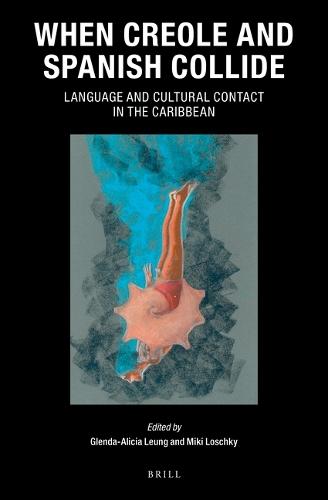
OverviewGenerations of West Indian migrants have long called Central America home. The descendants of these Creole English speakers live in communal enclaves along the Caribbean coast of Central America, where their Creole heritage and language are in contact zones with Spanish language and culture. When Creoles and Spanish Collide: Language and Culture in the Caribbean presents contemporary insight into these intra-Caribbean diasporic communities on how they grapple with evolving Creole identity and representation, language contact, language endangerment, and linguistic discrimination. Communal resilience oftentimes manifests itself via linguistic innovation and creativity. Editors Glenda-Alicia Leung and Miki Loschky showcase the scholarship of emerging and established regional and transatlantic scholars in When Creoles and Spanish Collide, which serves as a decolonizing research space. Full Product DetailsAuthor: Glenda-Alicia Leung , Miki LoschkyPublisher: Brill Imprint: Brill Volume: 39 Dimensions: Width: 15.50cm , Height: 2.90cm , Length: 23.50cm Weight: 0.765kg ISBN: 9789004460133ISBN 10: 9004460136 Pages: 384 Publication Date: 12 May 2021 Audience: Professional and scholarly , Professional & Vocational Format: Hardback Publisher's Status: Active Availability: Manufactured on demand We will order this item for you from a manufactured on demand supplier. Table of ContentsReviewsAuthor InformationGlenda-Alicia Leung, Ph.D. (2013), University of Freiburg, is a linguist who is passionate about her professional engagement in the translation and localization industry. She has published articles on Trinidadian English/Creole, including “YouTube Comments as Metalanguage Data on Non-standardized Languages” in Data Analytics in Digital Humanities . Miki Loschky, Ph.D. (2014), Kansas State University, is Instructor of Japanese at that university. Her research interest includes cognitive benefits of bilingualism and its sociolinguistic implications. She has published “From schema-based information to situation models: How can we bridge theories of comprehension and practice?” (2015). Tab Content 6Author Website:Countries AvailableAll regions |
||||