Overview
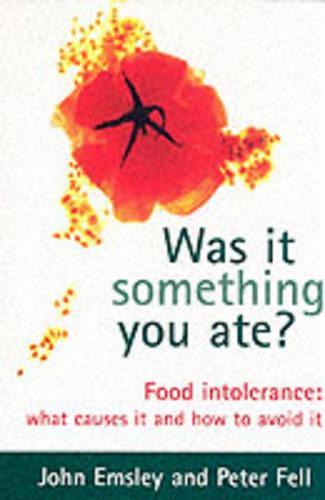
Very few people are allergic to food, but most of us suffer adverse effects when we eat certain things. The reason is that our body is intolerant of particular chemicals, and it reacts to them as if we were being poisoned. We then experience a variety of symptoms such a stomach ache, headache, sweating, skin rashes, diarrhoea, palpitations, and vomiting. When several of these affect us at one time they are likely to indicate that we are suffering from food intolerance and this is what the book is all about. If we can identify which components of our diet are likely to cause intolerance, then we can make sure we don't take in too much at one meal and so provoke the body to react. Human metabolism has developed to cope with small amounts of all kinds of non-nutrients in our food, even some that are highly toxic. What it cannot cope with are large amounts, and for sensitive people even relatively small amounts can trigger the body to over-react. This is why the same meal can affect people in very different ways. There are only a few common chemicals that can provoke an intolerance reaction: alcohol, benzoates, caffeine, dopamine, histamine, monosodium glutamate, nitrate/nitrite, phenylethylamine, salicylates, serotonin, solanine, sorbates, tryptamine/octopamine, and tyramine. The book examines the principal causes of food intolerance, explaining how this differs from food allergy, which few suffer from, and identifies the chemicals that cause it - many of which are natural - and the foods that contain them. It also reveals why food intolerance occurs, what its symptoms are, and why some people are so badly affected by a particular non- nutrient, while others suffer no upset at all. The book also contains chapters on natural toxins, and unnatural food additives and food contaminants. It explains the key nutrients in our diet and highlights the foods richest in the essential ones that we may be lacking. Most of the chapters are devoted to a few key non-nutrients that account for the majority of cases of intolerance. Each section is illustrated with actual case notes from people who have been badly affected by their diet. The book ends on an upbeat note with a final chapter giving dietary advice for maintaining a healthy heart. If you've ever wondered why something you eat does not agree with you, then this is the book that will help you discover what this is likely to be, and why your system reacts so badly to it. Written in an easy-to-understand style, Food Intolerance will take you through all aspects of food, especially identifying those non-nutrients that provoke a toxic response and make us ill.
Full Product Details
Author: Emsley ,
Fell
Publisher: Oxford University Press
Imprint: Oxford University Press
Dimensions:
Width: 14.80cm
, Height: 1.00cm
, Length: 23.00cm
Weight: 0.305kg
ISBN: 9780198509660
ISBN 10: 0198509669
Pages: 190
Publication Date: 16 August 2001
Audience:
General/trade
,
General
Format: Paperback
Publisher's Status: Active
Availability: To order

Stock availability from the supplier is unknown. We will order it for you and ship this item to you once it is received by us.
Reviews
Elmsley and Fell organize their material in a way that makes it possible to sort out a possible food sensitivity. Lucid and informative to anyone trying to pin down a specific food intolerance. --Kirkus Reviews<br> If you want to know more about food intolerance, authors John Emsley and Dr. Peter Fell have collaborated to assemble an in depth and easy to read book regarding common dietary problems, It's called 'Was it Something You Ate?' The book explains why food intolerance occurs, what the symptoms are, and which foods naturally contain these chemicals. --CBS.com<br>
<br> Elmsley and Fell organize their material in a way that makes it possible to sort out a possible food sensitivity. Lucid and informative to anyone trying to pin down a specific food intolerance. --Kirkus Reviews<br> If you want to know more about food intolerance, authors John Emsley and Dr. Peter Fell have collaborated to assemble an in depth and easy to read book regarding common dietary problems, It's called 'Was it Something You Ate?' The book explains why food intolerance occurs, what the symptoms are, and which foods naturally contain these chemicals. --CBS.com<br>
Author Information
Emsley: Science Writer in Residence, Chemistry Department, Cambridge University. Winner of Rhône-Poulenc Science Book Prize (1995) for The Consumer's Good Chemical Guide. Fell: General Practitioner, Oxfordshire; Director of Oxford Allergy Centre