Overview
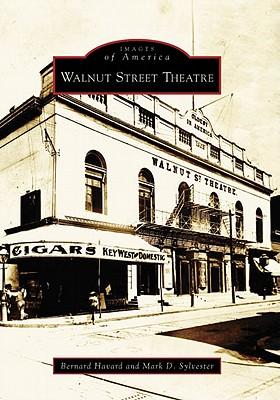
The Walnut Street Theatre, located at the corner of Ninth and Walnut Streets, is America's oldest theater, a national historic landmark, and the state theater of Pennsylvania. Since its opening in 1809, world-famous stars, such as Henry Fonda, Katharine Hepburn, and Marlon Brando, have performed on its stage. Many of the greatest works in American theater premiered there, including A Streetcar Named Desire, A Raisin in the Sun, and Neil Simon's first Broadway play, Come Blow Your Horn. In 1982, under the direction of Bernard Havard, the Walnut became a not-for-profit producing theater company. Today, with over 56,000 subscribers annually, it is the most subscribed theater company in the world. Through vintage images from the theater's archives and the Free Library of Philadelphia's Theatre Collection, Walnut Street Theatre rediscovers the Walnut's rich past.
Full Product Details
Author: Bernard Havard ,
Mark D. Sylvester
Publisher: Arcadia Publishing
Imprint: Arcadia Publishing
Dimensions:
Width: 15.90cm
, Height: 1.30cm
, Length: 22.90cm
Weight: 0.318kg
ISBN: 9780738557700
ISBN 10: 0738557706
Pages: 127
Publication Date: 16 April 2008
Audience:
General/trade
,
General
Format: Paperback
Publisher's Status: Active
Availability: In Print

This item will be ordered in for you from one of our suppliers. Upon receipt, we will promptly dispatch it out to you. For in store availability, please contact us.
Reviews
Title: The Repertoire Follies Author: Randy Gener Publisher: American Theatre Magazine Date: February 2009 .. . Another souvenir book, timed for a bicentennial anniversary, Walnut Street Theatre neatly assembles black-and-white photos of prominent people and events from an impressive 200-year history that has validated the Walnut as America's oldest theatre and Pennsylvania's state theatre. Check out the two-page spread reserved for the 19thcentury actor Edmund Kean, kneeling and with a sword at his side. The curtain call, now a tradition in every theatre (helpfully explain authors Bernard Havard and Mark D. Sylvester, the Philadelphia-based troupe's producing artistic director and managing director, respectively), started at the Walnut with Kean's post-play appearances in Othello, Merchant of Venice and Richard III. Several pages later, there's a triptych of the actor sons of Junius Brutus Booth--one of whom, Edwin, purchased the Walnut in 1863, two years before another son, John Wilkes, assassinated Lincoln at the Ford's Theatre in Washington, D.C. And how about those other famous actors who have appeared on stage or made their debuts at the Walnut--Ethel Barrymore, Helen Hayes, Canada Lee, Edward G. Robinson, George C. Scott, Claudette Colbert, Henry Fonda, Katharine Hepburn, Marlon Brando, Paul Robeson, Ethel Waters, and Groucho Marx, who, in 1923, stopped the show to tell the audience that President Warren G. Harding had died? Havard and Sylvester's book teems with tidbits and trivia. In 1837, the Walnut was the first theatre to install gas footlights, and in 1855, the Walnut became the first theatre to install air-conditioning. The first copyright law protecting American plays had its roots at the Walnut. Later, To this day, the Walnut continues to operate the original grid, rope, pulley and sandbag system that was in use nearly two centuries ago. (Except that instead of hemp ropes, the Walnut now uses nylon ropes that do not stretch over time.) Culled from the Walnut's archives, the Philadelphia library's theatre collection, the Library of Congress and the Athenaeum of Philadelphia, this photo album marches through chronological time within the rigid template that Arcadia Publishing uses to produce its portfolio of series on Images of America, Images of Rail and Corporate History. This timeline approach constitutes a brand of its own--no wonder the Oregon Shakespeare Festival, another TCG member theatre with a rich and long back-story, plans to work with Arcadia to publish a similar photographic project in 2010, timed for the Ashland company's 75th anniversary season... (Excerpt taken from The Repertoire Follies, American Theatre Magazine, February 2009) Title: The Repertoire Follies Author: Randy Gener Publisher: American Theatre Magazine Date: February 2009 .. . Another souvenir book, timed for a bicentennial anniversary, Walnut Street Theatre neatly assembles black-and-white photos of prominent people and events from an impressive 200-year history that has validated the Walnut as America s oldest theatre and Pennsylvania s state theatre. Check out the two-page spread reserved for the 19thcentury actor Edmund Kean, kneeling and with a sword at his side. The curtain call, now a tradition in every theatre (helpfully explain authors Bernard Havard and Mark D. Sylvester, the Philadelphia-based troupe s producing artistic director and managing director, respectively), started at the Walnut with Kean s post-play appearances in Othello, Merchant of Venice and Richard III. Several pages later, there s a triptych of the actor sons of Junius Brutus Booth one of whom, Edwin, purchased the Walnut in 1863, two years before another son, John Wilkes, assassinated Lincoln at the Ford s Theatre in Washington, D.C. And how about those other famous actors who have appeared on stage or made their debuts at the Walnut Ethel Barrymore, Helen Hayes, Canada Lee, Edward G. Robinson, George C. Scott, Claudette Colbert, Henry Fonda, Katharine Hepburn, Marlon Brando, Paul Robeson, Ethel Waters, and Groucho Marx, who, in 1923, stopped the show to tell the audience that President Warren G. Harding had died? Havard and Sylvester s book teems with tidbits and trivia. In 1837, the Walnut was the first theatre to install gas footlights, and in 1855, the Walnut became the first theatre to install air-conditioning. The first copyright law protecting American plays had its roots at the Walnut. Later, To this day, the Walnut continues to operate the original grid, rope, pulley and sandbag system that was in use nearly two centuries ago. (Except that instead of hemp ropes, the Walnut now uses nylon ropes that do not stretch over time.) Culled from the Walnut s archives, the Philadelphia library s theatre collection, the Library of Congress and the Athenaeum of Philadelphia, this photo album marches through chronological time within the rigid template that Arcadia Publishing uses to produce its portfolio of series on Images of America, Images of Rail and Corporate History. This timeline approach constitutes a brand of its own no wonder the Oregon Shakespeare Festival, another TCG member theatre with a rich and long back-story, plans to work with Arcadia to publish a similar photographic project in 2010, timed for the Ashland company s 75th anniversary season... (Excerpt taken from The Repertoire Follies, American Theatre Magazine, February 2009) Title: The Repertoire Follies Author: Randy Gener Publisher: American Theatre Magazine Date: February 2009 .. . Another souvenir book, timed for a bicentennial anniversary, Walnut Street Theatre neatly assembles black-and-white photos of prominent people and events from an impressive 200-year history that has validated the Walnut as America's oldest theatre and Pennsylvania's state theatre. Check out the two-page spread reserved for the 19thcentury actor Edmund Kean, kneeling and with a sword at his side. The curtain call, now a tradition in every theatre (helpfully explain authors Bernard Havard and Mark D. Sylvester, the Philadelphia-based troupe's producing artistic director and managing director, respectively), started at the Walnut with Kean's post-play appearances in Othello, Merchant of Venice and Richard III. Several pages later, there's a triptych of the actor sons of Junius Brutus Booth--one of whom, Edwin, purchased the Walnut in 1863, two years before another son, John Wilkes, assassinated Lincoln at the Ford's Theatre in Washington, D.C. And how about those other famous actors who have appeared on stage or made their debuts at the Walnut--Ethel Barrymore, Helen Hayes, Canada Lee, Edward G. Robinson, George C. Scott, Claudette Colbert, Henry Fonda, Katharine Hepburn, Marlon Brando, Paul Robeson, Ethel Waters, and Groucho Marx, who, in 1923, stopped the show to tell the audience that President Warren G. Harding had died? Havard and Sylvester's book teems with tidbits and trivia. In 1837, the Walnut was the first theatre to install gas footlights, and in 1855, the Walnut became the first theatre to install air-conditioning. The first copyright law protecting American plays had its roots at the Walnut. Later, To this day, the Walnut continues to operate the original grid, rope, pulley and sandbag system that was in use nearly two centuries ago. (Except that instead of hemp ropes, the Walnut now uses nylon ropes that do not stretch over time.) Culled from the Walnut's archives, the Philadelphia library's theatre collection, the Library of Congress and the Athenaeum of Philadelphia, this photo album marches through chronological time within the rigid template that Arcadia Publishing uses to produce its portfolio of series on Images of America, Images of Rail and Corporate History. This timeline approach constitutes a brand of its own--no wonder the Oregon Shakespeare Festival, another TCG member theatre with a rich and long back-story, plans to work with Arcadia to publish a similar photographic project in 2010, timed for the Ashland company's 75th anniversary season... (Excerpt taken from The Repertoire Follies, American Theatre Magazine, February 2009)
Title: The Repertoire Follies Author: Randy Gener Publisher: American Theatre Magazine Date: February 2009 ... Another souvenir book, timed for a bicentennial anniversary, Walnut Street Theatre neatly assembles black-and-white photos of prominent people and events from an impressive 200-year history that has validated the Walnut as America's oldest theatre and Pennsylvania's state theatre. Check out the two-page spread reserved for the 19thcentury actor Edmund Kean, kneeling and with a sword at his side. The curtain call, now a tradition in every theatre (helpfully explain authors Bernard Havard and Mark D. Sylvester, the Philadelphia-based troupe's producing artistic director and managing director, respectively), started at the Walnut with Kean's post-play appearances in Othello, Merchant of Venice and Richard III. Several pages later, there's a triptych of the actor sons of Junius Brutus Booth--one of whom, Edwin, purchased the Walnut in 1863, two years before another son, John Wilkes, assassinated Lincoln at the Ford's Theatre in Washington, D.C. And how about those other famous actors who have appeared on stage or made their debuts at the Walnut--Ethel Barrymore, Helen Hayes, Canada Lee, Edward G. Robinson, George C. Scott, Claudette Colbert, Henry Fonda, Katharine Hepburn, Marlon Brando, Paul Robeson, Ethel Waters, and Groucho Marx, who, in 1923, stopped the show to tell the audience that President Warren G. Harding had died? Havard and Sylvester's book teems with tidbits and trivia. In 1837, the Walnut was the first theatre to install gas footlights, and in 1855, the Walnut became the first theatre to install air-conditioning. The first copyright law protecting American plays had its roots at the Walnut. Later, To this day, the Walnut continues to operate the original grid, rope, pulley and sandbag system that was in use nearly two centuries ago. (Except that instead of hemp ropes, the Walnut now uses nylon ropes that do not stretch over time.) Culled from the Walnut's archives, the Philadelphia library's theatre collection, the Library of Congress and the Athenaeum of Philadelphia, this photo album marches through chronological time within the rigid template that Arcadia Publishing uses to produce its portfolio of series on Images of America, Images of Rail and Corporate History. This timeline approach constitutes a brand of its own--no wonder the Oregon Shakespeare Festival, another TCG member theatre with a rich and long back-story, plans to work with Arcadia to publish a similar photographic project in 2010, timed for the Ashland company's 75th anniversary season... (Excerpt taken from The Repertoire Follies, American Theatre Magazine, February 2009)
Title: The Repertoire Follies Author: Randy Gener Publisher: American Theatre Magazine Date: February 2009 .. . Another souvenir book, timed for a bicentennial anniversary, Walnut Street Theatre neatly assembles black-and-white photos of prominent people and events from an impressive 200-year history that has validated the Walnut as America's oldest theatre and Pennsylvania's state theatre. Check out the two-page spread reserved for the 19thcentury actor Edmund Kean, kneeling and with a sword at his side. The curtain call, now a tradition in every theatre (helpfully explain authors Bernard Havard and Mark D. Sylvester, the Philadelphia-based troupe's producing artistic director and managing director, respectively), started at the Walnut with Kean's post-play appearances in Othello, Merchant of Venice and Richard III. Several pages later, there's a triptych of the actor sons of Junius Brutus Booth--one of whom, Edwin, purchased the Walnut in 1863, two years before another son, John Wilkes, assassinated Lincoln at the Ford's Theatre in Washington, D.C. And how about those other famous actors who have appeared on stage or made their debuts at the Walnut--Ethel Barrymore, Helen Hayes, Canada Lee, Edward G. Robinson, George C. Scott, Claudette Colbert, Henry Fonda, Katharine Hepburn, Marlon Brando, Paul Robeson, Ethel Waters, and Groucho Marx, who, in 1923, stopped the show to tell the audience that President Warren G. Harding had died? Havard and Sylvester's book teems with tidbits and trivia. In 1837, the Walnut was the first theatre to install gas footlights, and in 1855, the Walnut became the first theatre to install air-conditioning. The first copyright law protecting American plays had its roots at the Walnut. Later, To this day, the Walnut continues to operate the original grid, rope, pulley and sandbag system that was in use nearly two centuries ago. (Except that instead of hemp ropes, the Walnut now uses nylon ropes that do not stretch over time.) Culled from the Walnut's archives, the Philadelphia library's theatre collection, the Library of Congress and the Athenaeum of Philadelphia, this photo album marches through chronological time within the rigid template that Arcadia Publishing uses to produce its portfolio of series on Images of America, Images of Rail and Corporate History. This timeline approach constitutes a brand of its own--no wonder the Oregon Shakespeare Festival, another TCG member theatre with a rich and long back-story, plans to work with Arcadia to publish a similar photographic project in 2010, timed for the Ashland company's 75th anniversary season... (Excerpt taken from The Repertoire Follies, American Theatre Magazine, February 2009)
Author Information
Bernard Havard is recognized as one of America's leading theater producers and is currently the Walnut Street Theatre's producing artistic director. Mark D. Sylvester, managing director of the Walnut Street Theatre, is widely regarded as a theatrical marketing expert and consults with organizations internationally.