Overview
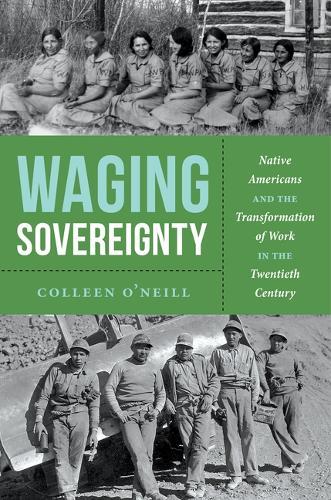
Wage work was supposed to ""kill the Indian and save the man,"" or so thought Richard Pratt and other late nineteenth-century policymakers. Nevertheless, even as American Indians entered the workforce, they remained connected to their lands and cultures. In this powerful history of resilience and transformation, Colleen O'Neill uncovers the creative strategies Native workers employed to subvert assimilation and fight for justice in the workplace, their collective strength expanding the very meaning of sovereignty. Drawing on federal archives, Native memoirs, oral histories, and field research, O'Neill traces a sweeping story that stretches from the era of boarding schools to the contemporary world of high-stakes gaming. For more than a century, federal policymakers tried to reshape Native lives through labor. In some cases, children were sent to pick crops and scrub settlers' homes. In others, families were relocated to distant cities for permanent year-round jobs that were designed to replace traditional seasonal labor and lifestyle patterns. But Native workers persevered. They rebuilt their communities, fought to reclaim control of the reservation workplace, and developed distinctive institutions to defend their cultural, political, and economic sovereignty. As Waging Sovereignty illuminates, wage work was a focal point of assimilationist efforts and, in turn, labor became a key factor in anti-colonial struggle.
Full Product Details
Author: Colleen O’Neill
Publisher: The University of North Carolina Press
Imprint: The University of North Carolina Press
Dimensions:
Width: 2.50cm
, Height: 15.50cm
, Length: 23.50cm
ISBN: 9781469693279
ISBN 10: 1469693275
Pages: 240
Publication Date: 24 February 2026
Audience:
Professional and scholarly
,
Professional & Vocational
Format: Hardback
Publisher's Status: Forthcoming
Availability: Not yet available

This item is yet to be released. You can pre-order this item and we will dispatch it to you upon its release.
Reviews
""A powerful and much-needed contribution to the scholarship on Indigenous labor.""--Chantal Norrgard, author of Seasons of Change: Labor, Treaty Rights, and Ojibwe Nationhood ""O'Neill skillfully demonstrates how tribes and Native workers rejected the language of rights-based liberalism, instead firmly rooting their rights as workers and managers within the more durable protections of tribal sovereignty.""--Kevin Whalen, author of Native Students at Work: American Indian Labor and Sherman Institute's Outing Program, 1900-1945
“A powerful and much-needed contribution to the scholarship on Indigenous labor.”—Chantal Norrgard, author of Seasons of Change: Labor, Treaty Rights, and Ojibwe Nationhood “O'Neill skillfully demonstrates how tribes and Native workers rejected the language of rights-based liberalism, instead firmly rooting their rights as workers and managers within the more durable protections of tribal sovereignty.”—Kevin Whalen, author of Native Students at Work: American Indian Labor and Sherman Institute’s Outing Program, 1900–1945
Author Information
Colleen O'Neill is associate professor of history at Utah State University.