|
|
|||
|
||||
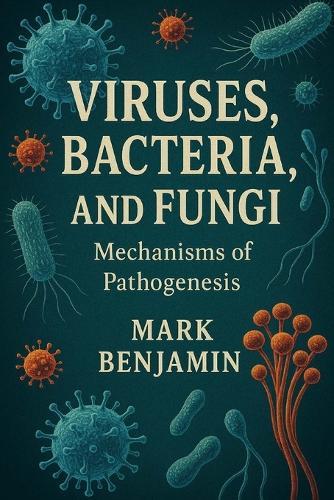
OverviewThis Book explores the diverse microbial world, focusing on viruses, bacteria, and fungi. These microorganisms are ubiquitous and essential for ecological processes like nutrient recycling, but are also significant disease-causing agents in humans, animals, and plants. The text emphasizes that the colloquial term ""germs"" oversimplifies these distinct biological entities. Understanding their unique structures, genetics, and life strategies (e.g., acellular viruses requiring hosts, prokaryotic bacteria, eukaryotic fungi) is crucial for developing effective diagnostics, therapies, and control measures in fields like medicine and agriculture. For instance, this distinction explains why antibiotics target bacteria but not viruses or fungi, a vital concept for public health. Furthermore, the book highlights the duality of these microbes, noting that many are beneficial. Bacteria aid digestion and are used in medicine production, while fungi are key decomposers and are used in food production and pharmaceuticals like penicillin. Pathogenicity is often specific to certain species or contexts. The book aims to provide a comparative analysis of these three groups, covering their biological characteristics, disease mechanisms, antimicrobial interventions, and the challenge of antimicrobial resistance. Full Product DetailsAuthor: Mark BenjaminPublisher: Independently Published Imprint: Independently Published Dimensions: Width: 15.20cm , Height: 0.60cm , Length: 22.90cm Weight: 0.150kg ISBN: 9798285741848Pages: 104 Publication Date: 29 May 2025 Audience: General/trade , General Format: Paperback Publisher's Status: Active Availability: Available To Order We have confirmation that this item is in stock with the supplier. It will be ordered in for you and dispatched immediately. Table of ContentsReviewsAuthor InformationTab Content 6Author Website:Countries AvailableAll regions |
||||