|
|
|||
|
||||
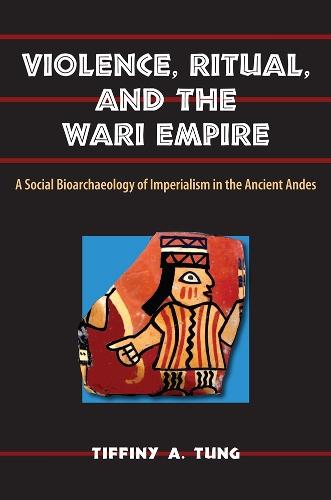
OverviewThe Wari Empire thrived in the Peruvian Andes between AD 600 and 1000. This study of human skeletons reveals the biological and social impact of Wari imperialism on people's lives, particularly its effects on community organisation and frequency of violence of both ruling elites and subjects. The Wari state was one of the first politically centralised civilisations in the New World that expanded dramatically as a product of its economic and military might. Tiffiny Tung reveals that Wari political and military elites promoted and valorised aggressive actions, such as the abduction of men, women, and children from foreign settlements. Captive men and children were sacrificed, dismembered, and transformed into trophy heads, while non-local women received different treatment relative to the men and children. By inspecting bioarchaeological data from skeletons and ancient DNA, as well as archaeological data, Tung provides a better understanding of how the empire's practices affected human communities, particularly in terms of age/sex structure, mortuary treatment, use of violence, and ritual processes associated with power and bodies. Full Product DetailsAuthor: Tiffiny A. TungPublisher: University Press of Florida Imprint: University Press of Florida Dimensions: Width: 15.20cm , Height: 1.50cm , Length: 22.80cm Weight: 0.456kg ISBN: 9780813044736ISBN 10: 0813044731 Pages: 270 Publication Date: 15 April 2013 Audience: Professional and scholarly , Professional & Vocational Format: Paperback Publisher's Status: Active Availability: In Print This item will be ordered in for you from one of our suppliers. Upon receipt, we will promptly dispatch it out to you. For in store availability, please contact us. Table of ContentsReviewsAuthor InformationTiffiny A. Tung is associate professor of anthropology at Vanderbilt University, USA. Tab Content 6Author Website:Countries AvailableAll regions |
||||