|
|
|||
|
||||
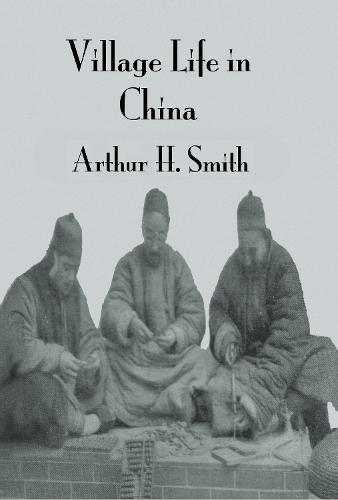
OverviewIn the urban West, it is easy to forget that most of the world's population still lives in villages, and despite increasing globalization it remains true that many countries can best be understood on the village level. The most striking example is China where, in the face of the political and economic upheavals of the last century, the local village units and networks retain their importance. Written during the last days of Imperial China, this pioneering study is remarkable for its detailed descriptions and the freshness of its observations, which are applicable today despite the veneer of modernity. Every facet and institution of village life is revealed -- local officials, cooperative loan societies, crop watching societies, the tradition of rigorous instruction, the dedication of men and women to labor from childhood, the drudgery of family life. What emerges clearly is what Smith calls the ""Chinese talent for cooperation"" -- the embedded predisposition for acting in groups -- which Chairman Mao used to great advantage, has outlived the Maoist movement, and is the foundation on which the new China is being built.This unique study is essential reading for those interested in China's history and its future. Full Product DetailsAuthor: Arthur H. SmithPublisher: Kegan Paul Imprint: Kegan Paul Edition: New edition Weight: 0.703kg ISBN: 9780710307514ISBN 10: 0710307519 Pages: 392 Publication Date: 26 May 2005 Audience: Professional and scholarly , Professional & Vocational Format: Paperback Publisher's Status: Active Availability: In Print This item will be ordered in for you from one of our suppliers. Upon receipt, we will promptly dispatch it out to you. For in store availability, please contact us. Table of ContentsReviewsAuthor InformationArthur H. Smith Tab Content 6Author Website:Countries AvailableAll regions |
||||