|
|
|||
|
||||
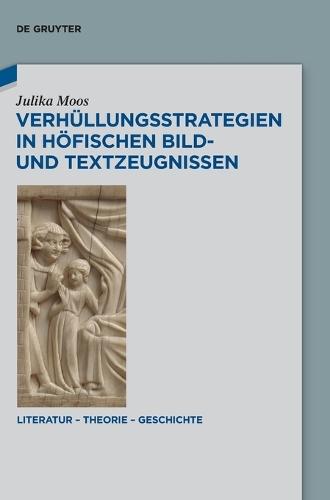
OverviewWhat exactly the reception of works of art looked like in the aristocratic culture of the Middle Ages is a mystery - but this interdisciplinary study takes the bold step of examining ivory carvings and narrative texts written in Middle High German to find out how the nobility might have perceived them. Through the lens of art studies reception aesthetics, it comes up with a framework of work-immanent techniques that shape perception, examining romances such as Rudolf's Willehalm von Orlens, Gottfried's Tristan, Wolfram's Titurel, and Konrad's Partonopier und Meliur to argue that the manipulation of the receiver's viewpoint is a specific aesthetic concept. For in both visual artifacts and courtly romances, gazes are frequently portrayed as limited, concealed, or completely impossible, indicating that there is more to see than what meets the eye. This study analyzes images and texts together, suggesting that courtly culture had its own codes for the invisible - codes that only become identifiable as concealed instructions for reception when the subtle control of the gaze is revealed in such works as a cross-media aesthetic strategy. Full Product DetailsAuthor: Julika MoosPublisher: De Gruyter Imprint: De Gruyter Volume: 32 Dimensions: Width: 17.00cm , Height: 2.70cm , Length: 24.40cm Weight: 0.998kg ISBN: 9783111544106ISBN 10: 3111544109 Pages: 502 Publication Date: 03 March 2025 Audience: General/trade , General Format: Hardback Publisher's Status: Active Availability: Available To Order We have confirmation that this item is in stock with the supplier. It will be ordered in for you and dispatched immediately. Language: German Table of ContentsReviewsAuthor InformationJulika Moos, Philipps-University Marburg, Germany. Tab Content 6Author Website:Countries AvailableAll regions |
||||