Overview
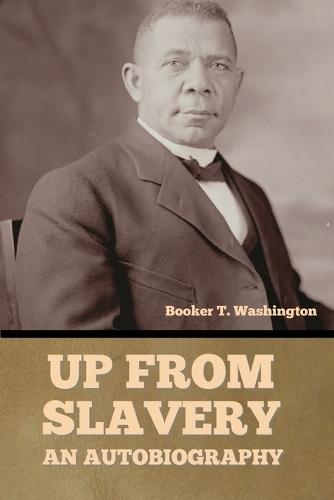
Up From Slavery is Booker T. Washington's influential autobiography, tracing his life from his birth into slavery in Virginia through his rise to national prominence as an educator, reformer, and founder of the Tuskegee Institute. Washington describes his childhood hardships, his determination to learn despite immense obstacles, and his journey to the Hampton Institute, where he develops his belief in the dignity of labor, self-help, and practical education. After graduating, Washington is chosen to lead a new school for African Americans in Tuskegee, Alabama. He recounts the challenges of building the institution from almost nothing-raising funds, motivating students, and creating a curriculum centered on industrial education, moral discipline, and economic independence. The autobiography also covers his growing national influence, including his famous Atlanta Exposition Address, which advocated racial cooperation and gradual progress. Washington portrays his philosophy that economic self-reliance and skill-building are essential pathways for African Americans in the post-Civil War South. Overall, the narrative blends personal memoir, educational philosophy, and social commentary, presenting Washington's vision for racial uplift during Reconstruction and the early Jim Crow era. About the author Booker T. Washington (1856-1915) was a leading African American educator, author, and leader who rose from slavery to national prominence. Born in Virginia, he overcame poverty and limited opportunity through determination and education, eventually attending the Hampton Normal and Agricultural Institute. In 1881, Washington founded the Tuskegee Normal and Industrial Institute in Alabama, emphasizing vocational training and self-reliance for African Americans. He believed that economic progress and practical skills would help Black Americans gain respect and improve their social standing, even while segregation persisted. Washington gained national attention with his 1895 ""Atlanta Compromise"" speech, in which he encouraged African Americans to focus on education and work rather than immediate political equality. While praised by many white leaders for his moderation, he faced criticism from figures like W.E.B. Du Bois, who argued that his approach accepted second-class citizenship. Despite criticism, Washington's influence was immense. Through fundraising, education, and advocacy, he improved opportunities for thousands of African Americans. His autobiography, Up from Slavery, remains a testament to his life of perseverance, leadership, and belief in self-help. Washington's legacy is complex: he built lasting educational institutions and promoted economic empowerment, while sparking debate about the best path to racial equality. His life reflects both the challenges and possibilities for African Americans in post-Civil War America.
Full Product Details
Author: Booker T Washington
Publisher: Bibliotech Press
Imprint: Bibliotech Press
Dimensions:
Width: 15.20cm
, Height: 1.10cm
, Length: 22.90cm
Weight: 0.213kg
ISBN: 9798897733125
Pages: 170
Publication Date: 20 November 2025
Audience:
General/trade
,
General
Format: Paperback
Publisher's Status: Active
Availability: Available To Order

We have confirmation that this item is in stock with the supplier. It will be ordered in for you and dispatched immediately.