|
|
|||
|
||||
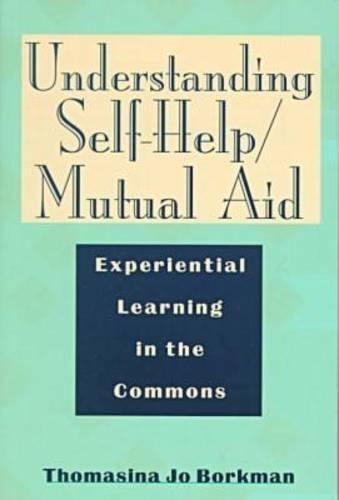
OverviewSelf-help groups have encountered fierce criticism as places where individuals join to share personal problems and to engage in therapeutic intervention without the aid of skilled professionals. These groups have flourished since the 1970s and continue to serve more people than professional therapy. Yet these groups have been criticized as fostering a culture of whiners and victims, and not using professional help as needed. Thomasina Jo Borkman debunks this commonly held assessment, and also examines the reasons for these groups' enduring popularity since the 1960s--more people attend these meetings (word?) than see professional therapists. What accounts for their success and popularity? Understanding Self-Help / Mutual-Aid Groups is the first book to describe three stages of individual and group evolution that is part of this organization's very structure; it also reconceptualizes participants' interactions with professionals. The group as a whole, Borkman posits, draws on the life experiences of its membes to foster nurturing, support, and transformation through a ""circle of sharing."" Groups create more positive and less stigmatizing ""meaning perspectives"" of the members' problems than is available from professionals or lay folk culture. Full Product DetailsAuthor: Thomasina Jo BorkmanPublisher: Rutgers University Press Imprint: Rutgers University Press Dimensions: Width: 15.30cm , Height: 2.10cm , Length: 23.00cm Weight: 0.440kg ISBN: 9780813526300ISBN 10: 0813526302 Pages: 260 Publication Date: 01 July 1999 Audience: College/higher education , Professional and scholarly , Undergraduate , Postgraduate, Research & Scholarly Format: Paperback Publisher's Status: Out of Print Availability: In Print Limited stock is available. It will be ordered for you and shipped pending supplier's limited stock. Table of ContentsReviewsAuthor InformationTab Content 6Author Website:Countries AvailableAll regions |
||||