Overview
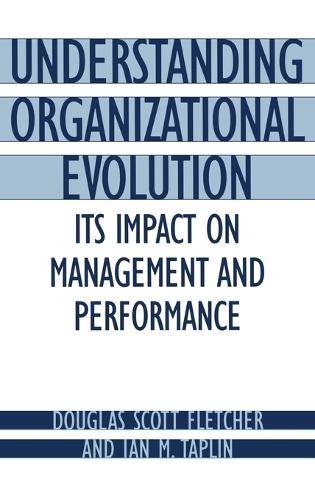
As the size and complexity of a company change in the course of its evolution it experiences predictable stages of growth. During these stages, a company discovers that what worked in the past no longer works. At such times, managers have to juggle the three variables of organizational evolution--the firm's purpose, its business and management processes, and its human resource issues--and keep them in balance as they reinvent new ways of structuring the firm. Typically, tension develops as one variable is stressed at the expense of the others. Managers need to know how to delegate decision making without abdicating overall control of the organization. The model developed here derives from the authors' understanding of how successful firms have managed these tensions. Fletcher and Taplin deal with teamwork, leadership, and the nature of dynamic change while successfully avoiding the cliches to which many experts in those areas are prone. They discuss teamwork in the context of wider performance and process issues. They address leadership not by talking about personality traits but by examining the tensions within authority structures as senior managers attempt to reconcile organizational logics (history and past practices that have sustained the firm) and their own definition of the challenges that face the firm. The authors argue that such contradictions follow a predictable pattern. Managers can either ignore the underlying instability or confront it in ways that will ease the transition and sustain the organization's dynamic growth.
Full Product Details
Author: Douglas Scott Fletcher ,
Ian M. Taplin
Publisher: Bloomsbury Publishing Plc
Imprint: Praeger Publishers Inc
Dimensions:
Width: 15.60cm
, Height: 1.40cm
, Length: 23.40cm
Weight: 0.509kg
ISBN: 9781567204742
ISBN 10: 1567204740
Pages: 248
Publication Date: 30 November 2001
Recommended Age: From 7 to 17 years
Audience:
College/higher education
,
Professional and scholarly
,
Tertiary & Higher Education
,
Professional & Vocational
Format: Hardback
Publisher's Status: Active
Availability: Manufactured on demand

We will order this item for you from a manufactured on demand supplier.
Reviews
Understanding Organizational Evolution is a unique combination of practical management advice and deep insight into the underlying reasons for organizational problems. Fletcher and Taplin provide concrete lessons and symptoms of the need for organizational change from their evolutionary model of organizations that help managers understand exactly what particular problems mean and how to address them. What is more, their inclusion of a history of teamwork's success and failures sheds insight and explanation that is all too rare in practical management books. Their use of numerous specific cases and examples, and emphasis on using information technology for performance management make this book ideal for MBA and Executive Education courses in management and leadership. -Jone L. Pearce Professor of Management University of California, Irvine
Author Information
DOUGLAS SCOTT FLETCHER is Principle and Senior Consultant at Performex in Newport Beach, California. He has done extensive consulting in the areas of performance management, cross-functional teams, and personal performance improvement. IAN M. TAPLIN is Professor of Sociology, Management, and International Studies at Wake Forest University. He has done extensive research on work reorganization and restructuring in the American and British garment industries.