Overview
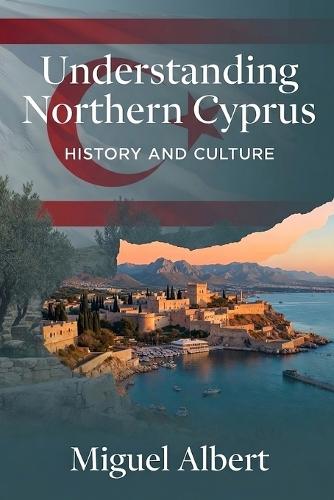
The island of Cyprus has been a crossroads of civilizations for millennia, a strategic prize coveted by empires, and a crucible of cultural fusion. Yet when most of the world thinks of Cyprus, it thinks of a divided capital, sun-drenched beaches, and a European Union member state. This perception obscures a more complex and often misunderstood reality: the existence of a separate, self-declared state in the northern third of the island, recognized only by Turkey and known to its inhabitants as the Turkish Republic of Northern Cyprus. Understanding Northern Cyprus: History and Culture is a comprehensive and deeply researched journey into this unique and contested land. Moving beyond the headlines of political deadlock and diplomatic isolation, this book offers a holistic portrait of a community, a landscape, and a culture that has been shaped by centuries of successive civilizations, from the Neolithic villagers and the Homeric kings of Salamis to the Ottoman settlers and the modern Turkish Cypriots who have built a state in international limbo. The book traces the long arc of history, beginning in the geological and archaeological bedrock of the island. It explores the rise of the great city-kingdoms, the Roman and Byzantine eras that shaped a Christian island, the Gothic interlude of the Lusignan and Venetian periods, and the Ottoman conquest that planted the seeds of the Turkish Cypriot community. It examines the British colonial period, which introduced the potent ideologies of nationalism, and the catastrophic collapse of the bi-communal Republic of Cyprus in the 1960s, which led to the Turkish military intervention of 1974 and the physical division of the island that persists to this day. Beyond the political narrative, this book immerses the reader in the living culture of Northern Cyprus. It explores the melodic Turkish Cypriot dialect, the religious practices that blend orthodox Sunni Islam with mystical Sufism and folk traditions, and the rich culinary heritage of the meze table. It wanders through the walled city of Famagusta, where a Gothic cathedral now serves as a mosque, and stands before the barbed wire of Varosha, the ghost suburb frozen in time since 1974. It traces the sacred geography of the land, from the pilgrimage site of Apostolos Andreas to the tombs of Sufi saints, and examines the rhythms of daily life, from the coffee house to the wedding feast. Drawing on years of engagement with the island and the voices of its people, this book presents a nuanced, empathetic, and meticulously researched portrait of a place that is too often reduced to a political problem. It is a story of conflict, yes, but also of continuity, of a community's profound attachment to a land, and of a culture that has not merely survived in the shadow of walls and embargoes, but has continued to sing, build, cook, and dream. This is the story of a homeland that is, for its people, a whole world. Whether you are a student of history, a traveler seeking deeper understanding, or a reader interested in one of the world's most enduring frozen conflicts, Understanding Northern Cyprus offers an essential and illuminating guide to a land that remains, for most of the world, an undiscovered country.
Full Product Details
Author: Miguel S Albert
Publisher: Independently Published
Imprint: Independently Published
Dimensions:
Width: 15.20cm
, Height: 1.20cm
, Length: 22.90cm
Weight: 0.243kg
ISBN: 9798199328623
Pages: 194
Publication Date: 30 May 2026
Audience:
General/trade
,
General
Format: Paperback
Publisher's Status: Active
Availability: In Print

This item will be ordered in for you from one of our suppliers. Upon receipt, we will promptly dispatch it out to you. For in store availability, please contact us.