Overview
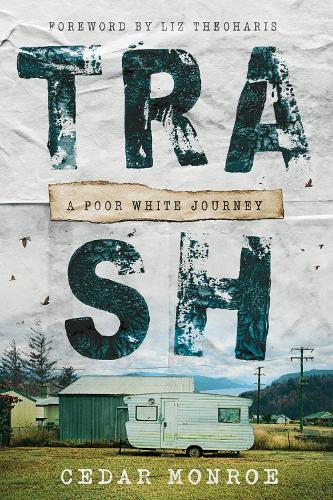
Human beings are not trash, and the system that enables humans to imagine each other as such needs to end. Every day across the US, 66 million poor white people pay the price for failing whiteness. In this sweeping debut, activist and chaplain Cedar Monroe writes indelibly about and for poor white people: about unlearning the American dream, untangling from white supremacy, and working for liberation alongside other poor folks. Monroe introduces us to people who are poor and unhoused in a small town in Washington, who eke out a living on land that once provided timber for the nation. On the banks of the Chehalis River, we meet residents of the largest homeless encampment in the country, who face sweeps and evictions and are targeted by vigilantes before bringing their case to federal court. We watch a community grapple with desperation, government neglect, and its own racism. From visits to jails, flophouses, tent cities, and on trips to hospitals and funeral homes, we see leaders forging connections between their people and the global movement to end poverty. With trenchant insight born of liberation theology, radical politics, and an even more radical hope, Monroe introduces us to people hammering out survival strategies and hope in the abandoned zones of empire. Capitalism and colonialism have stolen land from Indigenous people, forced workers into dangerous jobs, and then left them to die when their labor was no longer needed. But what would happen if poor white folks rejected the empty promises of white supremacy and embraced solidarity with other poor people? What if they joined the resistance to the system that is, slowly or quickly, killing us all? Trash asks us to see anew the peril in which poor white people live and the choices we all must make.
Full Product Details
Author: Cedar Monroe ,
Liz Theoharis
Publisher: Augsburg Fortress Publishers
Imprint: Broadleaf Books
Weight: 0.318kg
ISBN: 9781506486277
ISBN 10: 1506486274
Pages: 235
Publication Date: 05 March 2024
Audience:
General/trade
,
General
Format: Hardback
Publisher's Status: Active
Availability: Available To Order

We have confirmation that this item is in stock with the supplier. It will be ordered in for you and dispatched immediately.
Reviews
"""Joining the ranks of Barbara Ehrenreich and Nancy Isenberg, interfaith chaplain Monroe recounts forgotten people dismissed and made invisible, tucked away in trailer parks and housing projects around the land.... An eloquent defense of the poor and dispossessed in America."" --Kirkus Reviews ""Here is a voice not often heard in our difficult but necessary conversations about justice and inclusion. Cedar Monroe reveals another layer of complexity in the quest for Beloved Community with this provocative study of poor white people in America, and the forces that seek to prevent them from claiming solidarity across racial lines with others who are poor."" --The Most Rev. Michael B. Curry, Presiding Bishop of The Episcopal Church and author of Love Is the Way and Songs My Grandma Sang ""Calling strongly, faithfully, clearly, and with tremendous heart for all poor and oppressed people to come together to demand change, Monroe insists that it is only when we reach across barriers of race and culture that we will come to realize the fullness of our power. This is an important, maybe even an essential book. Everyone should read it."" --Rev. Cristina Rathbone, author of A World Apart: Women, Prison, and Life Behind Bars ""Through the stories and lives of poor and dispossessed people encamped along the Chehalis River, Trash is an intimate portrayal of what it really means to be poor and white in this country. Monroe carries the unbearable loss of this community, beautifully and carefully. Yet Trash is not an appeal to pity or charity. Rather, it is a call to build organization and leadership in these forgotten places, among poor white communities. Given the threats of an emboldened white Christian nationalist movement to our democracy and fundamental rights, Monroe's call is a political necessity for our times."" --Shailly Gupta Barnes, policy director for the Kairos Center for Religions, Rights and Social Justice and the Poor People's Campaign ""This deeply moving book blends memoir, history, and a razor-sharp analysis of the havoc that capitalism and white supremacy have wreaked on the natural world and Indigenous, Black, brown, and poor white communities. Through remarkable storytelling, Cedar Monroe recounts what resistance, organizing, and solidarity look like in the margins of empire, and beckons us to learn from past movements, our elders, and the leadership of the disinherited. This book is a must-read."" --Lindsey Krinks, author of Praying with Our Feet ""With raw energy and honesty, Cedar Monroe offers an insider's view of the culture and struggles of America's poor working class and bears witness to their search for hope, home, and dignity amid violence, drugs, eviction, and death. This is a must-read to understand the human sacrifice of the American empire."" --Dr. Kwok Pui Lan, Dean's Professor of Systematic Theology, Candler School of Theology, Emory University ""Trash combines true and painful stories with thoughtful analysis of what happens to poor white people who fail to live up to the unwritten rules of white dominant culture. This is a must-read for those who care about the future of poor young adults in the United States."" --Elizabeth Mae Magill, author of Five Loaves, Two Fish, Twelve Volunteers ""A highly personalized account of millions of poor people who have been victimized by the system that is supposed to protect them."" --Hy Thurman, author of Revolutionary Hillbilly; cofounder of Young Patriots Organization and First and Second Rainbow Coalition; and chair of North Alabama School for Organizers"
""Joining the ranks of Barbara Ehrenreich and Nancy Isenberg, interfaith chaplain Monroe recounts forgotten people dismissed and made invisible, tucked away in trailer parks and housing projects around the land.... An eloquent defense of the poor and dispossessed in America."" --Kirkus Reviews ""Monroe speaks from experience and leads by example. Their testimony offers inside looks at an often overlooked and unfairly caricatured population."" --Booklist ""Interfaith chaplain Cedar Monroe's Trash is a case study in the US's rampant poverty problem....delivered with delivered with eloquence, intensity, and urgency throughout."" --Foreword Reviews ""A poignant glimpse into the lives and obstacles in an impoverished postindustrial county. Includes a call to action to unite and empathize with others."" --Library Journal ""Here is a voice not often heard in our difficult but necessary conversations about justice and inclusion. Cedar Monroe reveals another layer of complexity in the quest for Beloved Community with this provocative study of poor white people in America, and the forces that seek to prevent them from claiming solidarity across racial lines with others who are poor."" --The Most Rev. Michael B. Curry, Presiding Bishop of The Episcopal Church and author of Love Is the Way and Songs My Grandma Sang ""Calling strongly, faithfully, clearly, and with tremendous heart for all poor and oppressed people to come together to demand change, Monroe insists that it is only when we reach across barriers of race and culture that we will come to realize the fullness of our power. This is an important, maybe even an essential book. Everyone should read it."" --Rev. Cristina Rathbone, author of A World Apart: Women, Prison, and Life Behind Bars ""Through the stories and lives of poor and dispossessed people encamped along the Chehalis River, Trash is an intimate portrayal of what it really means to be poor and white in this country. Monroe carries the unbearable loss of this community, beautifully and carefully. Yet Trash is not an appeal to pity or charity. Rather, it is a call to build organization and leadership in these forgotten places, among poor white communities. Given the threats of an emboldened white Christian nationalist movement to our democracy and fundamental rights, Monroe's call is a political necessity for our times."" --Shailly Gupta Barnes, policy director for the Kairos Center for Religions, Rights and Social Justice and the Poor People's Campaign ""This deeply moving book blends memoir, history, and a razor-sharp analysis of the havoc that capitalism and white supremacy have wreaked on the natural world and Indigenous, Black, brown, and poor white communities. Through remarkable storytelling, Cedar Monroe recounts what resistance, organizing, and solidarity look like in the margins of empire, and beckons us to learn from past movements, our elders, and the leadership of the disinherited. This book is a must-read."" --Lindsey Krinks, author of Praying with Our Feet ""With raw energy and honesty, Cedar Monroe offers an insider's view of the culture and struggles of America's poor working class and bears witness to their search for hope, home, and dignity amid violence, drugs, eviction, and death. This is a must-read to understand the human sacrifice of the American empire."" --Dr. Kwok Pui Lan, Dean's Professor of Systematic Theology, Candler School of Theology, Emory University
"""Joining the ranks of Barbara Ehrenreich and Nancy Isenberg, interfaith chaplain Monroe recounts forgotten people dismissed and made invisible, tucked away in trailer parks and housing projects around the land.... An eloquent defense of the poor and dispossessed in America."" --Kirkus Reviews ""Monroe speaks from experience and leads by example. Their testimony offers inside looks at an often overlooked and unfairly caricatured population."" --Booklist ""Interfaith chaplain Cedar Monroe's Trash is a case study in the US's rampant poverty problem....delivered with delivered with eloquence, intensity, and urgency throughout."" --Foreword Reviews ""Here is a voice not often heard in our difficult but necessary conversations about justice and inclusion. Cedar Monroe reveals another layer of complexity in the quest for Beloved Community with this provocative study of poor white people in America, and the forces that seek to prevent them from claiming solidarity across racial lines with others who are poor."" --The Most Rev. Michael B. Curry, Presiding Bishop of The Episcopal Church and author of Love Is the Way and Songs My Grandma Sang ""Calling strongly, faithfully, clearly, and with tremendous heart for all poor and oppressed people to come together to demand change, Monroe insists that it is only when we reach across barriers of race and culture that we will come to realize the fullness of our power. This is an important, maybe even an essential book. Everyone should read it."" --Rev. Cristina Rathbone, author of A World Apart: Women, Prison, and Life Behind Bars ""Through the stories and lives of poor and dispossessed people encamped along the Chehalis River, Trash is an intimate portrayal of what it really means to be poor and white in this country. Monroe carries the unbearable loss of this community, beautifully and carefully. Yet Trash is not an appeal to pity or charity. Rather, it is a call to build organization and leadership in these forgotten places, among poor white communities. Given the threats of an emboldened white Christian nationalist movement to our democracy and fundamental rights, Monroe's call is a political necessity for our times."" --Shailly Gupta Barnes, policy director for the Kairos Center for Religions, Rights and Social Justice and the Poor People's Campaign ""This deeply moving book blends memoir, history, and a razor-sharp analysis of the havoc that capitalism and white supremacy have wreaked on the natural world and Indigenous, Black, brown, and poor white communities. Through remarkable storytelling, Cedar Monroe recounts what resistance, organizing, and solidarity look like in the margins of empire, and beckons us to learn from past movements, our elders, and the leadership of the disinherited. This book is a must-read."" --Lindsey Krinks, author of Praying with Our Feet ""With raw energy and honesty, Cedar Monroe offers an insider's view of the culture and struggles of America's poor working class and bears witness to their search for hope, home, and dignity amid violence, drugs, eviction, and death. This is a must-read to understand the human sacrifice of the American empire."" --Dr. Kwok Pui Lan, Dean's Professor of Systematic Theology, Candler School of Theology, Emory University ""Trash combines true and painful stories with thoughtful analysis of what happens to poor white people who fail to live up to the unwritten rules of white dominant culture. This is a must-read for those who care about the future of poor young adults in the United States."" --Elizabeth Mae Magill, author of Five Loaves, Two Fish, Twelve Volunteers"
"""Joining the ranks of Barbara Ehrenreich and Nancy Isenberg, interfaith chaplain Monroe recounts forgotten people dismissed and made invisible, tucked away in trailer parks and housing projects around the land.... An eloquent defense of the poor and dispossessed in America."" --Kirkus Reviews ""Monroe speaks from experience and leads by example. Their testimony offers inside looks at an often overlooked and unfairly caricatured population."" --Booklist ""Interfaith chaplain Cedar Monroe's Trash is a case study in the US's rampant poverty problem....delivered with delivered with eloquence, intensity, and urgency throughout."" --Foreword Reviews ""A poignant glimpse into the lives and obstacles in an impoverished postindustrial county. Includes a call to action to unite and empathize with others."" --Library Journal ""Here is a voice not often heard in our difficult but necessary conversations about justice and inclusion. Cedar Monroe reveals another layer of complexity in the quest for Beloved Community with this provocative study of poor white people in America, and the forces that seek to prevent them from claiming solidarity across racial lines with others who are poor."" --The Most Rev. Michael B. Curry, Presiding Bishop of The Episcopal Church and author of Love Is the Way and Songs My Grandma Sang ""Calling strongly, faithfully, clearly, and with tremendous heart for all poor and oppressed people to come together to demand change, Monroe insists that it is only when we reach across barriers of race and culture that we will come to realize the fullness of our power. This is an important, maybe even an essential book. Everyone should read it."" --Rev. Cristina Rathbone, author of A World Apart: Women, Prison, and Life Behind Bars ""Through the stories and lives of poor and dispossessed people encamped along the Chehalis River, Trash is an intimate portrayal of what it really means to be poor and white in this country. Monroe carries the unbearable loss of this community, beautifully and carefully. Yet Trash is not an appeal to pity or charity. Rather, it is a call to build organization and leadership in these forgotten places, among poor white communities. Given the threats of an emboldened white Christian nationalist movement to our democracy and fundamental rights, Monroe's call is a political necessity for our times."" --Shailly Gupta Barnes, policy director for the Kairos Center for Religions, Rights and Social Justice and the Poor People's Campaign ""This deeply moving book blends memoir, history, and a razor-sharp analysis of the havoc that capitalism and white supremacy have wreaked on the natural world and Indigenous, Black, brown, and poor white communities. Through remarkable storytelling, Cedar Monroe recounts what resistance, organizing, and solidarity look like in the margins of empire, and beckons us to learn from past movements, our elders, and the leadership of the disinherited. This book is a must-read."" --Lindsey Krinks, author of Praying with Our Feet ""With raw energy and honesty, Cedar Monroe offers an insider's view of the culture and struggles of America's poor working class and bears witness to their search for hope, home, and dignity amid violence, drugs, eviction, and death. This is a must-read to understand the human sacrifice of the American empire."" --Dr. Kwok Pui Lan, Dean's Professor of Systematic Theology, Candler School of Theology, Emory University"
Author Information
Cedar Monroe has worked for over a decade as an activist and interfaith chaplain to people experiencing homelessness, incarceration, and addiction. Raised in a poor white rural community, Monroe has focused their work on understanding those communities, combating the effects of white nationalism, and cross-racial organizing for change. Monroe has an MDiv from Episcopal Divinity School and has been an Episcopal Church Foundation fellow. Monroe has been featured in several documentaries, including We Cried Power and America Will Be, and in articles in the Associated Press and the Seattle Times. They live with their wife in the Pacific Northwest. Rev. Dr. Liz Theoharis is a theologian, pastor, author, and anti-poverty activist. She is the executive director of the Kairos Center for Religions, Rights, and Social Justice and co-chair of the Poor People's Campaign: A National Call for Moral Revival. Rev. Dr. Theoharis has been organizing in poor and low-income communities for thirty years. Her books include We Cry Justice, We Pray Freedom, You Only Get What You're Organized to Take, and Always with Us?, and she has been published in the New York Times, Politico, the Washington Post, Sojourners, and elsewhere. Rev. Dr. Theoharis is co-pastor of the Freedom Church of the Poor, and teaches at educational institutions across the country, including Union Theological Seminary in New York City, Episcopal Divinity School, Austin Presbyterian Theological Seminary, and more.