|
|
|||
|
||||
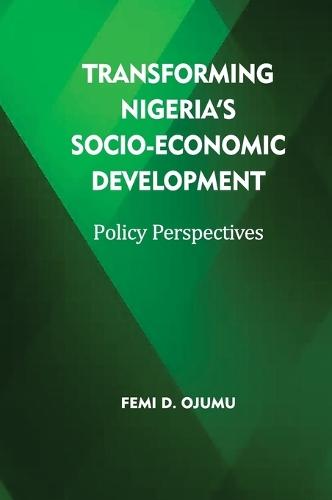
OverviewThe Nigerian paradox is enthralling. Without the consent of the autochthonous and independent ethnic nationalities that had occupied the lands over several centuries comprising the Yorubas, Hausa/Fulanis, Igbos, Ibibios, Ijaws, Ikwerres, Kanem-Bornus and several others; British colonialist overlords amalgamated what was known as the Northern Protectorate and the Southern Protectorate on 1 January 1914, to establish Nigeria. The rationale was purely to advance British economic and political interests, rather than overriding altruistic considerations for the welfare and prosperity of the local people. 111 years later in 2025, that singular development has a profound effect on the trajectory of teh nation's historical and political evolution, notwithstanding the fact Nigeria itself secured political Independence from Britain on 1 October 1960. Curiously, the material fact of Britain's amalgamation of Nigeria in 1914 was what the British themselves rejected by exiting the 27-nation federalist economic and political compact: the European Union; via the Brexit referendum on 23 June 2016. A phenomenon prompting the eminently rational jurisprudential question as to why Britain could freely decide its extant and future political arrangements, whilst Nigerians were denied the same right when it mattered the most, decades earlier? Full Product DetailsAuthor: Femi D OjumuPublisher: Guardian Commercial Press Imprint: Guardian Commercial Press Dimensions: Width: 17.80cm , Height: 1.90cm , Length: 25.40cm Weight: 0.762kg ISBN: 9789786929682ISBN 10: 9786929683 Pages: 232 Publication Date: 18 April 2026 Audience: General/trade , General Format: Hardback Publisher's Status: Active Availability: Available To Order We have confirmation that this item is in stock with the supplier. It will be ordered in for you and dispatched immediately. Table of ContentsReviewsAuthor InformationTab Content 6Author Website:Countries AvailableAll regions |
||||