|
|
|||
|
||||
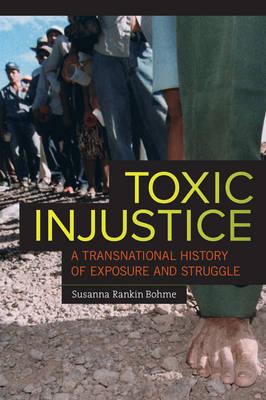
OverviewThe pesticide dibromochloropropane, known as DBCP, was developed by the chemical companies Dow and Shell in the 1950s to target wormlike, soil-dwelling creatures called nematodes. Despite signs that the chemical was dangerous, it was widely used in U.S. agriculture and on Chiquita and Dole banana plantations in Central America. In the late 1970s, DBCP was linked to male sterility, but an uneven regulatory process left many workers-especially on Dole's banana farms-exposed for years after health risks were known. Susanna Rankin Bohme tells an intriguing, multilayered history that spans fifty years, highlighting the transnational reach of corporations and social justice movements. Toxic Injustice links health inequalities and worker struggles as it charts how people excluded from workplace and legal protections have found ways to challenge power structures and seek justice from states and transnational corporations alike. Full Product DetailsAuthor: Susanna Rankin BohmePublisher: University of California Press Imprint: University of California Press Dimensions: Width: 15.20cm , Height: 2.00cm , Length: 22.90cm Weight: 0.499kg ISBN: 9780520278998ISBN 10: 0520278992 Pages: 360 Publication Date: 05 December 2014 Audience: College/higher education , Professional and scholarly , Tertiary & Higher Education , Professional & Vocational Format: Paperback Publisher's Status: Active Availability: Out of stock The supplier is temporarily out of stock of this item. It will be ordered for you on backorder and shipped when it becomes available. Table of ContentsReviews[Bohme] has skillfully brought together an extensive amount of detail from multiple sources... Recommended. -- Byron Anderson Electronic Green Journal Author InformationSusanna Rankin Bohme is Lecturer in History and Literature at Harvard University. Tab Content 6Author Website:Countries AvailableAll regions |
||||