|
|
|||
|
||||
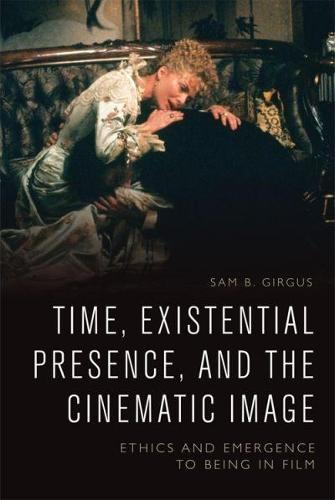
OverviewIn Time, Existential Presence and the Cinematic Image, Sam B. Girgus relates Laura Mulvey's theory of ""delayed cinema"" to ideas on time and the relationship to the other in the writings of Jean-Luc Nancy, Emmanuel Levinas and Julia Kristeva, among others. The sustained tension in film between, in Mulvey's phrase, ""stillness and the moving image"" enacts a drama of existential emergence. The stillness of the framed image in relation to the moving image opens ""free"" cinematic time and space for a fresh engagement with crucial ethical and cultural issues. With close readings of films such as The Bicycle Thieves, Two Days, One Night, The Three Burials of Melquiades Estrada, The Revenant and The Age of Innocence, this book proposes a fresh approach to reading film in the context of emerging existential presence and the ethical imperative. Full Product DetailsAuthor: Sam B. Girgus (Professor, Vanderbilt University)Publisher: Edinburgh University Press Imprint: Edinburgh University Press Edition: 80,000 ed. Weight: 0.446kg ISBN: 9781474436236ISBN 10: 1474436234 Pages: 200 Publication Date: 11 September 2018 Audience: Professional and scholarly , Professional & Vocational Format: Hardback Publisher's Status: Active Availability: Manufactured on demand We will order this item for you from a manufactured on demand supplier. Table of ContentsIntroduction: Existential Presence and the Cinematic Image: Ethics and Emergence to Being in Film Part I. The Otherness of Existence and ""Spacious Temporality"": Delayed Cinema and FreedomChapter 1: Delayed Cinema and ""The Space-Time of Freedom"": De Sica’s Bicycle Thieves (1948)Chapter 2: La Demora (2012)Chapter 3: Existence and Ethics in the Dardenne Brothers’ Two Days, One Night (2015) Part II: Western Spaces: Landscapes of Denial, Death, and FreedomChapter 4: El Viaje: Tommy Lee Jones and the Violent Times of the Mission to MexicoChapter 5: The American Way: Time, Death, and Resurrection in Iñárritu’s Western Masterpiece Epilogue: Time, Spacing and the Body in Martin Scorsese’s The Age of Innocence (1993)ReviewsIn this intellectually energetic and conceptually imaginative book, Sam Girgus halts at an intersection between film and existential philosophy to reflect on ways in which both relate to ideas of time. In a series of beautiful and perceptive analyses of particular films, Girgus finds time looped, chronologies diffused or the divergence of the camera's observation from the overt sense of story. By drawing on Jean-Luc Nancy's theories of spatial temporality, he finds new and unexpected ways of analyzing the cinema, opening up its linearity into complex dimensions of space and further layering of time--Professor Laura Mulvey, Birkbeck University of London Author InformationSam Girgus is Professor of English at Vanderbilt University. Tab Content 6Author Website:Countries AvailableAll regions |
||||