|
|
|||
|
||||
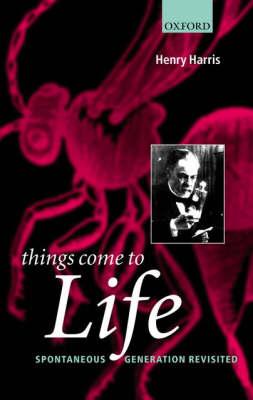
OverviewSpontaneous generation is the term used to describe the theory that inanimate material can, under appropriate conditions, generate life forms by completely natural processes, not requiring or involving divine intervention. Although there were always some doubters, the idea held sway from Aristotle until the 17th century - even such noted experimentalists as William Harvey were believers From the 17th-century onwards, attempts were made to test the idea by experimental results - to see, for example, if flies or, later, funghi could be generated in sealed containers. The experiments initially gave conflicting results, but with the development of better methods, the idea was whittled away, although it survived in some minds until the 20th century. Figures as eminent as Leeowenhoek, Pasteur, and Darwin were drawn into the controversy The question of whether spontaneous generation really existed occupied not only scientists, but also philosophers, historians, and theologians. It engaged the interest of many different religious groups and many social classes, and was debated with great acrimony. This book deals with the social and religious context of the debate, and the personalities Full Product DetailsAuthor: Henry HarrisPublisher: Oxford University Press Imprint: Oxford University Press Dimensions: Width: 13.00cm , Height: 2.00cm , Length: 21.00cm Weight: 0.380kg ISBN: 9780198515388ISBN 10: 0198515383 Pages: 178 Publication Date: 01 May 2002 Audience: General/trade , College/higher education , General , Undergraduate Format: Hardback Publisher's Status: Active Availability: To order Stock availability from the supplier is unknown. We will order it for you and ship this item to you once it is received by us. Table of ContentsReviewsThis small but informative book is suitable for a wide audience, including biologists (especially microbiologists), philosophers and historians of science. Because this is also the history of the rising of a modern biology postulate, according to which life comes from life and nothing is generated ex nihilo, it could be of formative value for students of medical and biological topics as well. Paolo Mazzarello, Nature It is a fascinating story. Lewis Wolpert, Times Higher Education Supplement This is an admirable and original book, a convincing case for independent scientific inquiry as an essential civilizing activity, our best weapon for truth against falsehood. Sarah Watkinson, Times Literary Supplement Author InformationSir Henry Harris is Regius Professor of Medicine at Oxford. Tab Content 6Author Website:Countries AvailableAll regions |
||||