Overview
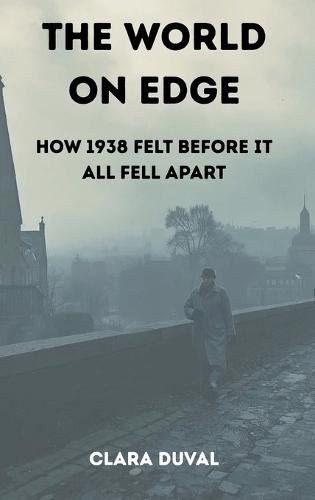
What if the most important year before global war was not 1939, but the forgotten twelve months just before it? This book takes readers back to 1938, when headlines screamed about Anschluss and the Sudetenland while cinemas, churches, and trading floors carried on as if normal life could still be protected. Month by month, it reconstructs how societies experienced a mounting crisis in real time. Drawing on newspapers, diaries, market commentary, and diplomatic cables, it shows how the origins of World War 2 appeared to people who did not yet know a world war was coming. From the Anschluss and the Sudetenland to the anxious celebrations around appeasement and Munich, it traces the arguments in cabinet rooms, editorials, and church pulpits that persuaded many citizens that each concession would be the last. The book places the violence of Kristallnacht within this wider pattern of denial, tracing how a flood of new reports and intelligence warnings in the 1930s collided with tight immigration controls and a cautious politics of delay. It uses vignettes from civilian life before the war alongside the decisions of Britain and France in 1938 to show how fear of another slaughter shaped every choice. Readers interested in interwar diplomacy, Europe, and 20th-century European history will find a close, unsentimental portrait of a world on edge. By the end of 1938, it had become a case study of how much a society can know about danger and still choose to look away.
Full Product Details
Author: Clara Duval
Publisher: Vij Books
Imprint: Vij Books
Dimensions:
Width: 15.20cm
, Height: 1.90cm
, Length: 22.90cm
Weight: 0.535kg
ISBN: 9789347436833
ISBN 10: 9347436836
Pages: 274
Publication Date: 20 February 2026
Audience:
General/trade
,
General
Format: Hardback
Publisher's Status: Active
Availability: Not yet available

This item is yet to be released. You can pre-order this item and we will dispatch it to you upon its release.
Author Information
Clara Duval writes about European diplomacy, the Versailles legacy, and the long shadow of the First World War on interwar politics. Her work follows how decisions taken in conference rooms reverberate through small towns, refugee hostels, and family kitchens. She is particularly interested in the gap between what governments know through cables and reports, and what ordinary citizens understand from headlines, sermons, and rumour. Drawing on years of reading newspapers, diaries, and policy papers side by side, she traces how public mood and elite strategy feed into each other. A recurring thread in her writing is the experience of France and Britain as guardians of a fragile order they only half believed in. In this book, she turns to 1938 as the crucial year when optimism, denial, and fatigue left societies unprepared for what they already feared was coming.