Overview
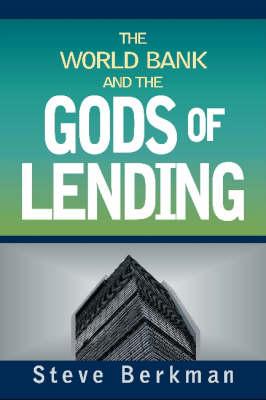
Uncovering the World Bank's loan programs in the developing world in """"The Gods of Lending"""", author Steve Berkman finds nothing but mismanagement and hypocrisy: decades of assistance without any significant improvement in the lives of the poor; billions loaned for improving governance, health care and education with little to show for it; and donor funds given to dysfunctional government institutions or officials with a history of looting national treasuries. With sixteen years as a Bank staff and consultant, Berkman presents compelling evidence of deceptive reporting and lack of due diligence as billions of dollars are wasted every year on corrupt and ill-conceived programs.Using internal reports and memos, project documents and the Bank's Annual Reports as reference, Berkman demonstrates management's obsession with lending despite the high fiduciary risks involved. Taking the reader inside several project fraud investigations, he exposes the ease with which funds can be stolen from the Bank's portfolio, and the degree to which these thefts are ignored. Painting a picture of an institution that is run by a bloated bureaucracy, """"The Gods of Lending"""" proposes changes that will rouse the Bank from its bureaucratic complacency and restore its central mission of alleviating poverty.
Full Product Details
Author: Steve Berkman
Publisher: Kumarian Press
Imprint: Kumarian Press
Dimensions:
Width: 16.80cm
, Height: 2.00cm
, Length: 22.80cm
Weight: 0.440kg
ISBN: 9781565492592
ISBN 10: 1565492595
Pages: 320
Publication Date: 01 October 2008
Audience:
Professional and scholarly
,
Professional & Vocational
Format: Paperback
Publisher's Status: No Longer Our Product
Availability: In Print

This item will be ordered in for you from one of our suppliers. Upon receipt, we will promptly dispatch it out to you. For in store availability, please contact us.
Reviews
As a World Bank task manager, Berkman spent years in the trenches fighting to prevent the theft of Bank loans by corrupt officials in developing countries. As he demonstrates, it was a battle the Bank had no interest in pursuing despite its claims that it takes corruption seriously and that outsiders and critics don't know the real story. Now with this book we have a critical perspective only an insider can provide. It is a passionate, informed, and devastating first-hand account from the frontlines of World Bank operations. Students, development professionals, and especially policymakers in Washington should read this book. Compelling and refreshingly direct. What World Bank officials typically refer to as leakage, Berkman names theft, embezzlement, and corruption. Highly recommended for general readers; students at all levels; researchers and professionals. In this blistering expose, former World Bank employee Berkman demonstrates how the World Bank's mission to 'alleviate poverty' has been derailed by corruption, a 'bloated bureaucracy' and mismanagement....His criticisms and prescriptions are clear and well-supported by scores of photocopies of internal memos and project documents....The book is a fascinating firsthand account of the bank's failures, and its case studies notably sections on bank projects in Nigeria and the Gambia make for a valuable and important read. Recommended reading as a hard-hitting lesson on how not to run the Bank. A long awaited expose of gross mismanagement and cover-ups demands a fundamental overhaul of the Bank s management and proposes realistic measures to curb corruption in its lending program. A timely and important contribution to policy makers and scholars concerned about the impact of corruption upon economic development. Everyone interested in economic development and the alleviation of poverty in the Third World should study the cases that Berkman sets out clearly documents the failure of the World Bank to operate honestly, efficiently and openly. Unfortunately we may extrapolate these cases to all the other international financial institutions as well. Exposing the curse of lending targets and the disappearance of billions of dollars, Berkman points to the Bank s bureaucratic mismanagement and lack of courage by aid donors as they shamelessly foster a lending culture that enriches corrupt government elites while keeping the poor mired in poverty. World Bank documents versus reality are a real shocker. Berkman s work shows the difference between what is reported and what is actually happening on the ground.
As a World Bank task manager, Berkman spent years in the trenches fighting to prevent the theft of Bank loans by corrupt officials in developing countries. As he demonstrates, it was a battle the Bank had no interest in pursuing despite its claims that it takes corruption seriously and that outsiders and critics don't know the real story. Now with this book we have a critical perspective only an insider can provide. It is a passionate, informed, and devastating first-hand account from the frontlines of World Bank operations. Students, development professionals, and especially policymakers in Washington should read this book.