|
|
|||
|
||||
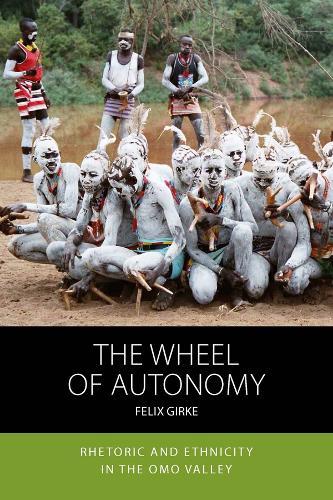
OverviewHow do the Kara, a small population residing on the eastern bank of the Omo River in southern Ethiopia, manage to be neither annexed nor exterminated by any of the larger groups that surround them? Through the theoretical lens of rhetoric, this book offers an interactionalist analysis of how the Kara negotiate ethnic and non-ethnic differences among themselves, the relations with their various neighbors, and eventually their integration in the Ethiopian state. The model of the “Wheel of Autonomy” captures the interplay of distinction, agency and autonomy that drives these dynamics and offers an innovative perspective on social relations. Full Product DetailsAuthor: Felix GirkePublisher: Berghahn Books Imprint: Berghahn Books ISBN: 9781836950615ISBN 10: 1836950616 Pages: 308 Publication Date: 01 May 2025 Audience: College/higher education , Professional and scholarly , Postgraduate, Research & Scholarly , Professional & Vocational Format: Paperback Publisher's Status: Active Availability: In Print This item will be ordered in for you from one of our suppliers. Upon receipt, we will promptly dispatch it out to you. For in store availability, please contact us. Table of ContentsReviews“This finely crafted book on a remarkable people is a welcome addition to Ethiopian studies, ethnic studies, and African social anthropology, and of theoretical interest to social scientists who want to know more about rhetoric theory as relevant in a ‘non-Western’ setting.” • JRAI “This is a superb book, which regarding theories of culture, the epistemology of ethnographic research, and the evolution of our understanding of South Omo societies is path-breaking… The writing is fresh, clear and evocative.” • John G. Galaty, McGill University Author InformationFelix Girke is a social/cultural anthropologist and a post-doctoral researcher at the University of Konstanz, Germany. His publications include the edited volumes Ethiopian Images of Self and Other (UVHW, 2014) and The Rhetorical Emergence of Culture (Berghahn Books, 2011). He currently studies the politics of cultural heritage in Myanmar. Tab Content 6Author Website:Countries AvailableAll regions |
||||