|
|
|||
|
||||
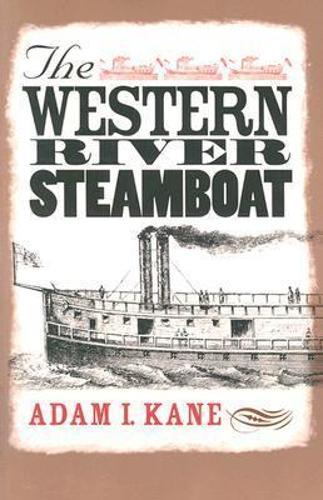
OverviewThe first Western steamboat was built in 1811 in Pittsburgh, and thousands more were constructed in the years before the Civil War. These waterborne vehicles helped define the nineteenth-century trans-Appalachian West. Decades of incremental changes created a distinctive watercraft, and the steamboat became perfectly suited to the conditions of the Western rivers, transforming the West from a wilderness into a place of economic significance. In The Western River Steamboat, nautical archaeologist Adam I. Kane traces the development of this once commonplace vessel. Kane describes the importance and impact of the steamboat in American history and complements his historical analysis with clear, concise technical explanations of the construction and evolution of Western river steamboats. Using photographs, drawings, and charts to help readers visualize the early steamboats and the study of their remains by archaeologists, Kane explains how the rivers dictated the design of the hull, why stern wheels replaced side wheels, how hogging chains kept hulls from buckling, and why safety valves were of little use when engineers regularly overloaded them. Anyone intrigued by the vessel that changed America's West, in addition to those studying historical or nautical archaeology, maritime history, or cultural resource management, will find this book of interest. Full Product DetailsAuthor: Adam I. KanePublisher: Texas A & M University Press Imprint: Texas A & M University Press Dimensions: Width: 16.20cm , Height: 1.30cm , Length: 23.50cm Weight: 0.365kg ISBN: 9781585443437ISBN 10: 1585443433 Pages: 224 Publication Date: 30 April 2004 Audience: General/trade , General Format: Paperback Publisher's Status: Active Availability: Temporarily unavailable The supplier advises that this item is temporarily unavailable. It will be ordered for you and placed on backorder. Once it does come back in stock, we will ship it out to you. Table of ContentsReviewsAuthor InformationAdam I. Kane lives in New Haven, Vermont, and works as a nautical archaeologist at the Lake Champlain Maritime Museum. He holds a master's degree in anthropology from Texas A&M University and has done extensive fieldwork at archaeological sites throughout the United States. Tab Content 6Author Website:Countries AvailableAll regions |
||||