Overview
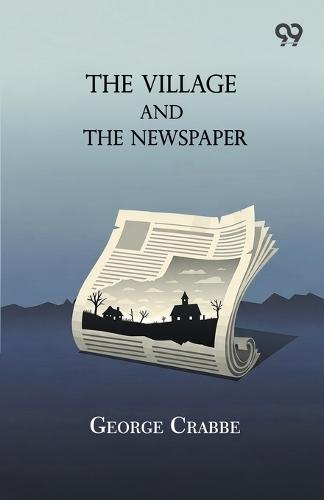
The village and the newspaper presents a poetic examination of rural life and the evolving influence of media, blending social observation with literary critique. The work opens with depictions of village hardships, portraying the labor, illness, and struggles faced by impoverished inhabitants, as well as the broader indifference of society to their suffering. Early reflections emphasize the resilience and vulnerability of individuals navigating a harsh environment, highlighting the contrast between human endurance and societal neglect. In the second part, attention shifts to the growing role of newspapers, exploring how print media shapes public perception, spreads information and misinformation, and influences cultural and literary values. Through these dual lenses, the text critiques both the tangible difficulties of everyday life and the abstract effects of communication on society, offering a nuanced view of human frailty, ambition, and moral responsibility. Crabbe's work balances empathy for the rural poor with critical insight into cultural shifts, creating a layered narrative that examines the tensions between reality, literature, and emerging social forces.
Full Product Details
Author: George Crabbe
Publisher: Double 9 Books
Imprint: Double 9 Books
Dimensions:
Width: 14.00cm
, Height: 0.20cm
, Length: 21.60cm
Weight: 0.054kg
ISBN: 9789375553205
ISBN 10: 9375553205
Pages: 38
Publication Date: 01 November 2025
Audience:
General/trade
,
General
Format: Paperback
Publisher's Status: Active
Availability: Available To Order

We have confirmation that this item is in stock with the supplier. It will be ordered in for you and dispatched immediately.
Author Information
George Crabbe was an English poet, surgeon, and clergyman whose work established a distinctive place in literary history through its clear focus on everyday life and realistic narrative style. Born in Aldeburgh, he grew up in a coastal environment that later shaped his portrayals of working and middle class communities. His early years were spent training as a doctor's apprentice, a path that led him into medical practice before he shifted more fully toward writing. His poetry became known for its unembellished depictions of ordinary people, reflecting a commitment to portraying human experience without romantic exaggeration. Influenced by the social and economic conditions around him, he often explored the challenges faced by laborers, families, and small town residents, presenting their struggles and aspirations with careful detail. His roles as surgeon and clergyman contributed to his understanding of human hardship and moral complexity, allowing him to bring depth and empathy to his work. He later settled in Trowbridge, continuing his literary efforts until his death and leaving behind contributions that shaped the development of realistic English poetry.