Overview
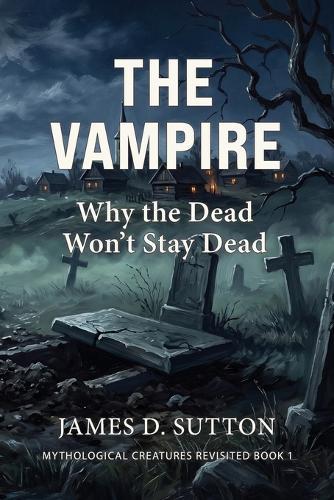
In 1725, the neighbors of a dead man named Peter Plogojowitz opened his grave in a Serbian village. The body looked wrong. The skin was flushed, the blood dark at the mouth, the nails impossibly long. They drove a stake through the chest. The corpse groaned. Paul Barber, a folklorist at UCLA, explained in 1988 exactly what they saw. Every detail matches a documented stage of normal human decomposition. The bloating, the purge fluid, the apparent growth of hair and nails, the sound when the chest cavity was punctured. The physical mystery is solved. The cultural mystery is not. Every civilization on Earth independently invented a blood-drinking creature of the night. Romanian strigoi. Chinese jiangshi. Filipino manananggal. Ewe adze. Akan obayifo. Aztec cihuateteo. Greek empusa. Different names, different rules, different cosmologies. Same fundamental architecture: something that should be dead is feeding on the living. The Vampire traces this creature from Mesopotamian clay tablets through the Enlightenment vampire panics, through the literary tradition that turned a peasant corpse into an aristocrat (Polidori, 1819), a count (Stoker, 1897), a queer romantic figure (Rice, 1976), a teenage boyfriend (Meyer, 2005), and a Staten Island roommate who will not take out the garbage (What We Do in the Shadows, 2019-2024). It follows the creature through a century of cinema, through the cognitive science that explains why the human brain invents monsters, and through the cultural functions that explain why this particular monster keeps getting reinvented: as a metaphor for sex, for class, for disease, for death itself, and finally for the fantasy of escaping death. The investigation covers the real vampire community-living people who identify as vampires, maintain ethical codes, and deserve the same scholarly respect as any identity community. It covers the porphyria hypothesis (wrong but unkillable) and the rabies hypothesis (more plausible, still limited). It covers the Marxist reading of Dracula as monopoly capital and the cognitive science of why your brain attributes agency to things that go bump in the night. Every factual claim sourced to verified research and the published scholarly record. Every scientific debate presented with both sides. Every cultural tradition treated with specificity and respect. This is not a vampire encyclopedia and not a horror book. It is an investigation into why human beings invented the most adaptable creature in the mythological imagination-and why, three centuries later, they still cannot stop. James D. Sutton is the author of the Mythological Creatures Revisited, Ancient Mysteries Revisited, Hidden History Revisited, and Institutional Failure investigative series from Erratic Publishing. Mythological Creatures Revisited is a hundred-book investigative nonfiction series. Each volume takes a single creature from the global mythological record and asks the question the encyclopedias skip: why did human beings invent this, and why does it persist? Book 1: The Vampire. Book 2: The Werewolf. Book 3: The Dragon. Book 4: The Witch. Book 5: The Ghost. Each book stands alone. Each follows the evidence wherever it leads.
Full Product Details
Author: Erratic Publishing ,
James D Sutton
Publisher: Independently Published
Imprint: Independently Published
Volume: 1
Dimensions:
Width: 15.20cm
, Height: 1.40cm
, Length: 22.90cm
Weight: 0.327kg
ISBN: 9798259115613
Pages: 242
Publication Date: 27 April 2026
Audience:
General/trade
,
General
Format: Paperback
Publisher's Status: Active
Availability: Available To Order

We have confirmation that this item is in stock with the supplier. It will be ordered in for you and dispatched immediately.