|
|
|||
|
||||
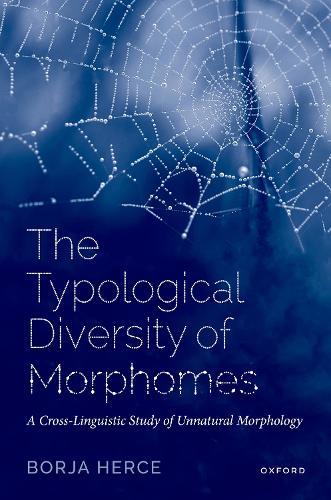
OverviewFull Product DetailsAuthor: Borja Herce (Postdoctoral Researcher, Department of Comparative Language Science, Postdoctoral Researcher, Department of Comparative Language Science, University of Zurich)Publisher: Oxford University Press Imprint: Oxford University Press Dimensions: Width: 16.40cm , Height: 2.40cm , Length: 24.00cm Weight: 0.680kg ISBN: 9780192864598ISBN 10: 0192864599 Pages: 318 Publication Date: 30 March 2023 Audience: Professional and scholarly , Professional & Vocational Format: Hardback Publisher's Status: Active Availability: To order Stock availability from the supplier is unknown. We will order it for you and ship this item to you once it is received by us. Table of ContentsPreface List of abbreviations 1: Introduction 2: Issues in morphome identification 3: Morphomes in diachrony 4: Morphomes in synchrony 5: Implications: Features and Forms 6: Conclusions Appendix: Morphome database summary References Index of languages General indexReviewsHerce is exactly right to expand the discussion of morphomes to more languages and language families. Having read many grammars myself, I am amazed that he has managed to read so many, and astounded that he has condensed them in such a brief and insightful manner. * Michael Maxwell, Linguist List * Author InformationBorja Herce is a postdoctoral researcher in the Department of Comparative Language Science at the University of Zurich, having previously studied at the University of the Basque Country and the University of Surrey. His main areas of interest include morphological typology, language change, Romance and Otomanguean languages, and quantitative and corpus linguistics approaches to both description and explanation. His latest research revolves around the description, analysis, and learnability of paradigmatic structures of different kinds (morphomic vs morphemic), and the synchronic profile and diachronic trajectories of morphological complexity across the world's languages. Tab Content 6Author Website:Countries AvailableAll regions |
||||