Overview
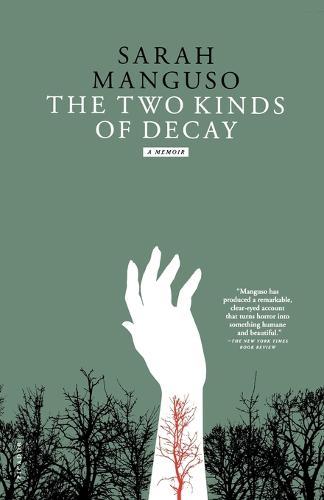
""Manguso has produced a remarkable, clear-eyed account that turns horror into something humane and beautiful.""--The New York Times Book Review A book of tremendous grace and self-awareness, Sarah Manguso's The Two Kinds of Decay transcends the very notion of what an illness story can and should be. The events that began in 1995 might keep happening to me as long as things can happen to me. Think of deep space, through which heavenly bodies fly forever. They fly until they change into new forms, simpler forms, with ever fewer qualities and increasingly beautiful names. There are names for things in spacetime that are nothing, for things that are less than nothing. White dwarfs, red giants, black holes, singularities. But even then, in their less-than-nothing state, they keep happening. At twenty-one, just starting to comprehend the puzzles of adulthood, Sarah Manguso was faced with another: a wildly unpredictable disease that appeared suddenly and tore through her twenties, vanishing and then returning, paralyzing her for weeks at a time, programming her first to expect nothing from life and then, furiously, to expect everything. In this captivating story, Manguso recalls her nine-year struggle: arduous blood cleansings, collapsed veins, multiple chest catheters, the deaths of friends and strangers, addiction, depression, and, worst of all for a writer, the trite metaphors that accompany prolonged illness.
Full Product Details
Author: Sarah Manguso
Publisher: St Martin's Press
Imprint: St Martin's Press
Dimensions:
Width: 13.70cm
, Height: 0.80cm
, Length: 21.30cm
Weight: 0.227kg
ISBN: 9780312428440
ISBN 10: 0312428448
Pages: 192
Publication Date: 26 May 2009
Audience:
General/trade
,
General
Format: Paperback
Publisher's Status: Active
Availability: In Print

This item will be ordered in for you from one of our suppliers. Upon receipt, we will promptly dispatch it out to you. For in store availability, please contact us.
Reviews
"""Manguso has produced a remarkable, clear-eyed account that turns horror into something humane and beautiful."" --The New York Times Book Review ""Moving . . . a fiercely truthful memoir of illness."" --The Boston Globe ""Here is not a day-by-day description of this grueling time, but an impressionistic text filled with bright, poetic flashes. . . . Many sick people learn to live in the moment, but the power of Manguso's writing makes that truism revelatory."" --The Washington Post Book World ""Manguso's slender volume is written in a sparese, no-nonsense style that can be chilling but makes you cheer for the author."" --New York Post ""Manguso writes this account from the far end of the illness, looking back on it from a position of physical strength, biting ferocity, and unsentimental wit."" --Bookforum ""A series of brief, elliptical vignettes composed of sentences as spare as they are unsparing . . . Manguso pushes beyond the familiar confrontation between doctor and patient to explore the linguistic confusion at the heart of the power struggle."" --Slate ""[A] stunning story . . . Manguso's deadpan tone works equally well in service of the painful and funny moments, or when the two meet."" --Time Out Chicago"
In The Two Kinds of Decay, Sarah Manguso has miraculously elevated the act of memory. She has found honesty, fear, longing and beauty in every moment of her young life, giving this book an intensity found nowhere else. You put it down panting with wonder and grief, but never with pity. A breakthrough in the memoir, and in writing. --Andrew Sean Greer Manguso has produced a remarkable, clear-eyed account that turns horror into something humane and beautiful. --The New York Times Book Review Moving . . . a fiercely truthful memoir of illness. --The Boston Globe Here is not a day-by-day description of this grueling time, but an impressionistic text filled with bright, poetic flashes. . . . Many sick people learn to live in the moment, but the power of Manguso's writing makes that truism revelatory. --The Washington Post Book World Manguso's slender volume is written in a sparese, no-nonsense style that can be chilling but makes you cheer for the author. --New York Post Manguso writes this account from the far end of the illness, looking back on it from a position of physical strength, biting ferocity, and unsentimental wit. --Bookforum A series of brief, elliptical vignettes composed of sentences as spare as they are unsparing . . . Manguso pushes beyond the familiar confrontation between doctor and patient to explore the linguistic confusion at the heart of the power struggle. --Slate [A] stunning story . . . Manguso's deadpan tone works equally well in service of the painful and funny moments, or when the two meet. --Time Out Chicago Manguso has produced a remarkable, clear-eyed account that turns horror into something humane and beautiful. The New York Times Book Review Moving . . . a fiercely truthful memoir of illness. The Boston Globe Here is not a day-by-day description of this grueling time, but an impressionistic text filled with bright, poetic flashes. . . . Many sick people learn to live in the moment, but the power of Manguso's writing makes that truism revelatory. The Washington Post Book World Manguso's slender volume is written in a sparese, no-nonsense style that can be chilling but makes you cheer for the author. New York Post Manguso writes this account from the far end of the illness, looking back on it from a position of physical strength, biting ferocity, and unsentimental wit. Bookforum A series of brief, elliptical vignettes composed of sentences as spare as they are unsparing . . . Manguso pushes beyond the familiar confrontation between doctor and patient to explore the linguistic confusion at the heart of the power struggle. Slate [A] stunning story . . . Manguso's deadpan tone works equally well in service of the painful and funny moments, or when the two meet. Time Out Chicago A NEW YORK TIMES BOOK REVIEW EDITORS' CHOICEA TIME OUT CHICAGO BEST BOOK OF THE YEARA SAN FRANCISCO CHRONICLE BEST BOOK OF THE YEAR Manguso has produced a remarkable, clear-eyed account that turns horror into something humane and beautiful. -- The New York Times Book Review Moving . . . a fiercely truthful memoir of illness. -- The Boston Globe Here is not a day-by-day description of this grueling time, but an impressionistic text filled with bright, poetic flashes. . . . Many sick people learn to live in the moment, but the power of Manguso's writing makes that truism revelatory. -- The Washington Post Book World Manguso's slender volume is written in a sparese, no-nonsense style that can be chilling but makes you cheer for the author. -- New York Post Manguso writes this account from the far end of the illness, looking back on it from a position of physical strength, biting ferocity, and unsentimental wit. -- Bookforum A series of brief, elliptical vignettes composed of sentences as spare as they are unsparing . . . Manguso pushes beyond the familiar confrontation between doctor and patient to explore the linguistic confusion at the heart of the power struggle. -- Slate [A] stunning story . . . Manguso's deadpan tone works equally well in service of the painful and funny moments, or when the two meet. -- Time Out Chicago A NEW YORK TIMES BOOK REVIEW EDITORS' CHOICEA TIME OUT CHICAGO BEST BOOK OF THE YEARA SAN FRANCISCO CHRONICLE BEST BOOK OF THE YEAR Manguso has produced a remarkable, clear-eyed account that turns horror into something humane and beautiful. - The New York Times Book Review Moving . . . a fiercely truthful memoir of illness. - The Boston Globe Here is not a day-by-day description of this grueling time, but an impressionistic text filled with bright, poetic flashes. . . . Many sick people learn to live in the moment, but the power of Manguso's writing makes that truism revelatory. - The Washington Post Book World Manguso's slender volume is written in a sparese, no-nonsense style that can be chilling but makes you cheer for the author. - New York Post Manguso writes this account from the far end of the illness, looking back on it from a position of p Manguso has produced a remarkable, clear-eyed account that turns horror into something humane and beautiful. -- The New York Times Book Review Moving . . . a fiercely truthful memoir of illness. -- The Boston Globe A series of brief, elliptical vignettes composed of sentences as spare as they are unsparing . . . pushes beyond the familiar confrontation between doctor and patient to explore the linguistic confusion at the heart of the power struggle. -- Slate.com [A] stunning story . . . Manguso's deadpan tone works equally well in service of the painful and funny moments, or when the two meet. -- Time Out (Chicago) Here is a beautiful, brave memoir that takes us into the heart of a young woman's illness, its pains and terrors and mysteries, yet leads us somehow into brightness. For all its clinical precision of the physical, The Two Kinds of Decay is one of the most movingly humane books I have read in a long time; it is a hard-earned vision of life, every word grounded in both body and soul. Sarah Manguso is a brilliantly talented writer, and this is a book not to be missed. --John Burnham Schwartz If art can be described as the paths one takes toward some form of compassion, this distilled and luminous book offers us one such a map. An exploration of a body at a particular moment in its history, narrated by an unsparing yet appealing consciousness, The Two Kinds of Decay brings the reader to a place of grace and compassion that is absolutely breathtaking. --Nick Flynn At the white-hot center of this book burns the intelligence and wit of Sarah Manguso, one of the most brilliantly talented writers at work today. She is a clear-eyed visionary, a connoisseur of the penetrating declarative, an unsentimental chronicler of the horrifying insult of illness and of the desires that drive us headlong into adulthood. With a poet's brevity, with riveting narrative energy, with searing insight and compassion, Manguso leads us into hell and back again; every step of the way, there's the thrill of knowing we're in the hands of a new literary master. --Julie Orringer, author of How to Breathe Underwater In The Two Kinds of Decay, Sarah Manguso has miraculously elevated the act of memory. She has found honesty, fear, longing and beauty in every moment of her young life, giving this book anintensity found nowhere else. You put it down panting with wonder and grief, but never with pity. A breakthrough in the memoir, and in writing. --Andrew Sean Greer If art can be described as the paths one takes toward some form of compassion, this distilled and luminous book offers us one such a map. An exploration of a body at a particular moment in its history, narrated by an unsparing yet appealing consciousness, The Two Kinds of Decay brings the reader to a place of grace and compassion that is absolutely breathtaking. --Nick Flynn At the white-hot center of this book burns the intelligence and wit of Sarah Manguso, one of the most brilliantly talented writers at work today. She is a clear-eyed visionary, a connoisseur of the penetrating declarative, an unsentimental chronicler of the horrifying insult of illness and of the desires that drive us headlong into adulthood. With a poet's brevity, with riveting narrative energy, with searing insight and compassion, Manguso leads us into hell and back again; every step of the way, there's the thrill of knowing we're in the hands of a new literary master. --Julie Orringer, author of How to Breathe Underwater In The Two Kinds of Decay, Sarah Manguso has miraculously elevated the act of memory. She has found honesty, fear, longing and beauty in every moment of her young life, giving this book an intensity found nowhere else. You put it down panting with wonder and grief, but never with pity. A breakthrough in the memoir, and in writing. --Andrew Sean Greer At the white-hot center of this book burns the intelligence and wit of Sarah Manguso, one of the most brilliantly talented writers at work today. She is a clear-eyed visionary, a connoisseur of the penetrating declarative, an unsentimental chronicler of the horrifying insult of illness and of the desires that drive us headlong into adulthood. With a poet's brevity, with riveting narrative energy, with searing insight and compassion, Manguso leads us into hell and back again; every step of the way, there's the thrill of knowing we're in the hands of a new literary master. --Julie Orringer, author of How to Breathe Underwater In The Two Kinds of Decay, Sarah Manguso has miraculously elevated the act of memory. She has found honesty, fear, longing and beauty in every moment of her young life, giving this book an intensity found nowhere else. You put it down panting with wonder and grief, but never with pity. A breakthrough in the memoir, and in writing. --Andrew Sean Greer
Manguso has produced a remarkable, clear-eyed account that turns horror into something humane and beautiful. -- The New York Times Book Review <br> Moving . . . a fiercely truthful memoir of illness. -- The Boston Globe <p> A series of brief, elliptical vignettes composed of sentences as spare as they are unsparing . . . pushes beyond the familiar confrontation between doctor and patient to explore the linguistic confusion at the heart of the power struggle. -- Slate.com <p> [A] stunning story . . . Manguso's deadpan tone works equally well in service of the painful and funny moments, or when the two meet. -- Time Out (Chicago) <p>
<p>A NEW YORK TIMES BOOK REVIEW EDITORS’ CHOICE<br>A TIME OUT CHICAGO BEST BOOK OF THE YEAR<br>A SAN FRANCISCO CHRONICLE BEST BOOK OF THE YEAR<p>“Manguso has produced a remarkable, clear-eyed account that turns horror into something humane and beautiful.”— The New York Times Book Review <p>“Moving . . . a fiercely truthful memoir of illness.”— The Boston Globe <p>“Here is not a day-by-day description of this grueling time, but an impressionistic text filled with bright, poetic flashes. . . . Many sick people learn to live in the moment, but the power of Manguso’s writing makes that truism revelatory.”— The Washington Post Book World <p>“Manguso’s slender volume is written in a sparese, no-nonsense style that can be chilling but makes you cheer for the author.”— New York Post <p>“Manguso writes this account from the far end of the illness, looking back on it from a position of p
Manguso has produced a remarkable, clear-eyed account that turns horror into something humane and beautiful. --The New York Times Book Review Moving . . . a fiercely truthful memoir of illness. --The Boston Globe Here is not a day-by-day description of this grueling time, but an impressionistic text filled with bright, poetic flashes. . . . Many sick people learn to live in the moment, but the power of Manguso's writing makes that truism revelatory. --The Washington Post Book World Manguso's slender volume is written in a sparese, no-nonsense style that can be chilling but makes you cheer for the author. --New York Post Manguso writes this account from the far end of the illness, looking back on it from a position of physical strength, biting ferocity, and unsentimental wit. --Bookforum A series of brief, elliptical vignettes composed of sentences as spare as they are unsparing . . . Manguso pushes beyond the familiar confrontation between doctor and patient to explore the linguistic confusion at the heart of the power struggle. --Slate [A] stunning story . . . Manguso's deadpan tone works equally well in service of the painful and funny moments, or when the two meet. --Time Out Chicago
Author Information
Sarah Manguso is the author of several books, including the memoir, The Two Kinds of Decay; books of poetry, Siste Viator and The Captain Lands in Paradise; a short-story collection, Hard to Admit and Harder to Escape, and the novel Very Cold People.