|
|
|||
|
||||
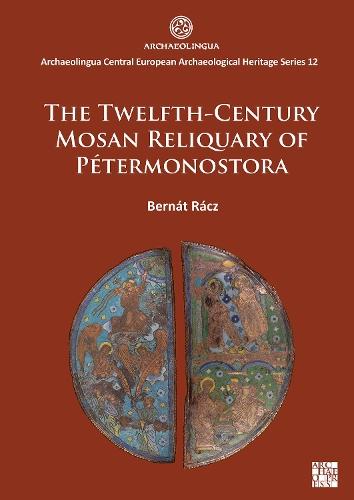
OverviewIn 2013, during the excavation of the archaeological site of Pétermonostora (Hungary), two exceptionally large enamel plaques were discovered. The reliquary they belonged to was made by a Mosan artist, possibly in the Meuse Valley, a major intellectual and artistic centre of the period. The artwork's remains constitute one of the greatest discoveries in medieval Hungarian archaeology. Even though the site was completely destroyed by the Mongols in 1241, its remains, and especially artefacts like the reliquary, create a unique image of a large, thriving settlement, home to a Latin Christian masterpiece. Given the destruction of sources and artworks in the region, Pétermonostora offers a rare opportunity to examine artistic, cultural, and historical aspects of high medieval East-Central Europe. Dr. Sophie Balace (Curator of metalworks at the Royal Museums of Art and History, Brussels): “The discovery of the Pétermonostora plaques is as extraordinary as it is unexpected. Although Mosan goldwork remains are still relatively numerous, their discovery in an archaeological context is rare. The archaeological discovery of important goldsmith ornamental fragments on the site of Pétermonostora constitutes a major contribution to Mosan heritage. This attribution, which seems to be irrefutable, brings sensational new information to the study of medieval art.” Full Product DetailsAuthor: Bernát RáczPublisher: Archaeopress Imprint: Archaeopress Archaeology Weight: 0.721kg ISBN: 9781803279817ISBN 10: 1803279818 Pages: 120 Publication Date: 20 March 2025 Audience: Professional and scholarly , Professional & Vocational Format: Paperback Publisher's Status: Active Availability: Manufactured on demand We will order this item for you from a manufactured on demand supplier. Table of ContentsForeword Introduction 1. The History of Pétermonostora The Site The Settlement The Basilica and the Monastery The Artistic and Material Culture of the Basilica Signs of the Mongol Destruction Introduction to the Reliquary 2. The Reliquary’s Stylistic Links Description of the Enamels Technical and Stylistic Description of the Fragments The Origin of the Style: Rhine or Meuse? Tracing the Design: Decorative Indicators The Mosan Manuscripts and Enamels The Origins of the Technique The Issue of Limoges The Style of the Side Cover and the Angel Plaque 3. The Reliquary’s Shape The Two Enamel Plaques Narrative and Communicative Function The Largest Existing Phylactery Plaques The Angel Plaque The Side Cover Eucharistic Aspects of Phylactery-Shaped Compositions Other Fragments 4. The Patronage and the Relic The Becse-Gergely Kindred and the Monastery Pétermonostora as a Private Monastery The Relic The Reliquary’s Connection to the Court of Béla III Conclusion List of Images BibliographyReviewsAuthor InformationTab Content 6Author Website:Countries AvailableAll regions |
||||