|
|
|||
|
||||
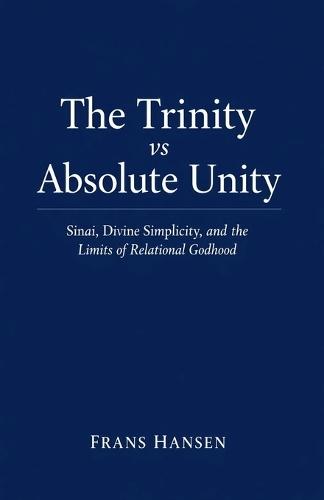
OverviewThis book is a structured examination of the nature of God as presented in the Hebrew Bible and as defined within classical Christian theology. It begins with the revelation at Sinai and the covenantal framework of Torah. From there, it develops the Jewish understanding of divine unity, simplicity, necessary being, and the limits of theological language. These foundations are established before any comparison is attempted. Only after clarifying the ontological commitments of Tanakh and classical Jewish thought does the book present the Christian doctrines of the Trinity, eternal generation, and incarnation in their strongest historical and philosophical forms. These claims are then analyzed carefully in light of the earlier framework. The method throughout is cumulative. Each chapter builds upon what has already been demonstrated. The aim is precision rather than rhetoric. Key terms are defined. Arguments are developed progressively. Positions are presented fairly before they are evaluated. Full Product DetailsAuthor: Frans HansenPublisher: Dvar Emet House Imprint: Dvar Emet House Dimensions: Width: 14.00cm , Height: 1.50cm , Length: 21.60cm Weight: 0.304kg ISBN: 9798233384172Pages: 258 Publication Date: 22 February 2026 Audience: General/trade , General Format: Paperback Publisher's Status: Active Availability: Available To Order We have confirmation that this item is in stock with the supplier. It will be ordered in for you and dispatched immediately. Table of ContentsReviewsAuthor InformationFrans Hansen is an independent biblical researcher devoted to disciplined, text-centered reading of Scripture. His work is grounded in a simple conviction: the Hebrew text governs its own meaning, and interpretation must remain accountable to language, structure, and covenant context. Hansen approaches Tehillim and the wider Tanakh with methodological consistency. He reads within mesorah, prioritizes peshat, and resists importing theology, sentiment, or later systems into poetic speech. For him, Scripture is not a collection of inspirational fragments but a coherent covenant document that can be examined carefully, tested rigorously, and taught responsibly. His writing is marked by clarity, restraint, and structural precision. Rather than offering devotional impressions or speculative symbolism, he seeks to identify what the text permits, what it requires, and where interpretation must stop. This approach has drawn readers who value intellectual honesty, reverence for Hebrew, and disciplined engagement with tradition. In this volume on Tehillim, Hansen applies that same method to all 150 psalms, reading them as covenant speech spoken within Israel's history and preserved through Jewish transmission. Tab Content 6Author Website:Countries AvailableAll regions |
||||