Overview
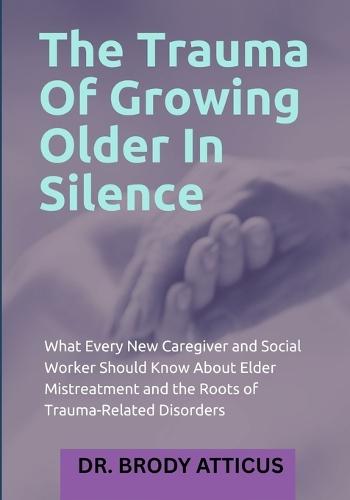
As the global population ages, the well-being and dignity of older adults have become increasingly important topics for caregivers, healthcare professionals, social workers, and society at large. Aging brings many changes-physical, emotional, social, and cognitive-that require thoughtful support and care. Unfortunately, for some older adults, these changes coincide with experiences of harm, neglect, and exploitation, collectively known as elder abuse. This pervasive issue transcends cultural, economic, and geographical boundaries, affecting millions of seniors worldwide. Equally important, yet less often discussed, is the profound psychological impact such abuse can have, including the development of trauma-related stress disorders. Defining Elder Abuse: Elder abuse is broadly defined as any action or lack of appropriate action, occurring within a relationship where there is an expectation of trust, that causes harm or distress to an older person. This harm may be physical, emotional, psychological, sexual, or financial. It can also include neglect, where an older adult's basic needs-such as food, hygiene, medical care, or safety-are unmet. Abuse can be inflicted by family members, caregivers, professionals, or even strangers, and its manifestations can range from subtle and insidious to overt and violent. The World Health Organization estimates that approximately 1 in 6 people aged 60 and older experience some form of abuse in community settings each year. This statistic, however, likely underrepresents the true scale of the problem due to widespread underreporting, fear, stigma, and a lack of awareness. The Roots of Elder Abuse: Understanding elder abuse requires an exploration of the multifaceted social, cultural, and psychological factors that contribute to its occurrence. Ageism-negative stereotypes and discrimination against older adults-often underpins the neglect and disrespect they face. Caregiver stress and burnout, economic pressures, intergenerational conflicts, and societal undervaluing of aging all play critical roles. Moreover, cognitive impairments such as dementia or Alzheimer's disease, common in late life, can make older adults particularly vulnerable. These conditions may affect their ability to recognize abuse, communicate about it, or seek help. The complexity of elder abuse often involves dynamics of power and control, dependency, and isolation. Why This Matters for Caregivers and Social Workers: Caregivers and social workers are often on the frontlines of recognizing and responding to elder abuse and trauma. Their role is critical not only in identifying signs of abuse but also in understanding the complex psychological impact trauma can have. This requires specialized knowledge, empathy, and practical strategies to create safe environments, promote healing, and empower older adults. Addressing elder abuse and trauma-related stress disorder is not only a matter of protecting physical safety but also of preserving the dignity, autonomy, and emotional well-being of older adults. It demands a multidisciplinary, culturally sensitive approach that encompasses prevention, intervention, legal protections, and ongoing support. A Call to Awareness and Action: This book aims to equip new caregivers, social workers, and allied professionals with the foundational knowledge needed to recognize elder abuse and understand the roots of trauma-related disorders. By delving into the nature of elder mistreatment, exploring its psychological consequences, and outlining practical approaches for care and advocacy, this work seeks to illuminate a path toward more compassionate and effective support for one of society's most vulnerable populations.
Full Product Details
Author: Dr Brody Atticus
Publisher: Independently Published
Imprint: Independently Published
Dimensions:
Width: 17.80cm
, Height: 0.50cm
, Length: 25.40cm
Weight: 0.181kg
ISBN: 9798299197914
Pages: 96
Publication Date: 21 August 2025
Audience:
General/trade
,
General
Format: Paperback
Publisher's Status: Active
Availability: Available To Order

We have confirmation that this item is in stock with the supplier. It will be ordered in for you and dispatched immediately.