|
|
|||
|
||||
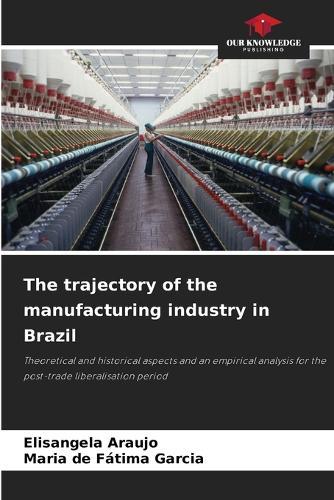
OverviewStarting in the 1990s, the Brazilian economy entered a new pattern of development and external integration, given two events: economic liberalisation and price stabilisation, achieved with the Real Plan in 1994. In addition, the adoption of a floating exchange rate and the Inflation Targeting Regime, policies/institutions that substantially altered the conduct of macroeconomic policies, had a particular impact on the productive sector. Noteworthy is the trajectory of the manufacturing industry, which saw a steady decline in its relative share of GDP, in addition to a reduction in the trade balance of industrial products, especially those with higher technological content, at the same time as there was a return to commodities and basic products. This movement, which occurred in parallel with the weak performance and growing internal and external fragility of the Brazilian economy, sparked an intense debate about the structural change underway, its causes and consequences for the country's development, an issue that this research addresses from a theoretical, historical and empirical perspective. Full Product DetailsAuthor: Elisangela Araujo , Maria de Fátima GarciaPublisher: Our Knowledge Publishing Imprint: Our Knowledge Publishing Dimensions: Width: 15.20cm , Height: 0.60cm , Length: 22.90cm Weight: 0.136kg ISBN: 9786209086458ISBN 10: 6209086454 Pages: 92 Publication Date: 09 October 2025 Audience: General/trade , General Format: Paperback Publisher's Status: Active Availability: Available To Order We have confirmation that this item is in stock with the supplier. It will be ordered in for you and dispatched immediately. Table of ContentsReviewsAuthor InformationTab Content 6Author Website:Countries AvailableAll regions |
||||