Overview
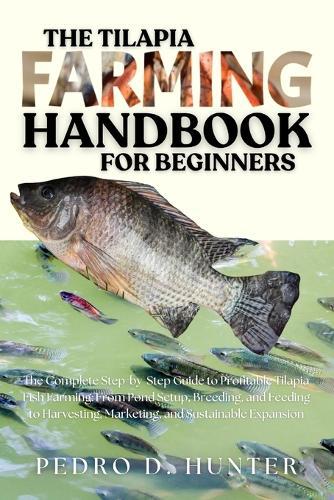
An Overview of Tilapia Aquaculture, Its Benefits, and Why It's Ideal for Beginners Tilapia farming, a type of aquaculture (the farming of aquatic organisms), has grown rapidly in popularity over the past few decades. Known for its simplicity, adaptability, and profitability, tilapia farming is especially suitable for beginners, small-scale entrepreneurs, and anyone looking to enter the world of fish farming. What Is Tilapia Farming? Tilapia farming involves the breeding, raising, and harvesting of tilapia fish in controlled environments such as ponds, tanks, or cages. Originally native to Africa and parts of the Middle East, tilapia has become one of the most widely farmed fish in the world, second only to carp in terms of global production. The species is favored for its rapid growth, resilience, and ability to thrive in diverse farming conditions, making it a top choice for aquaculture operations from backyard setups to commercial fish farms. Why Tilapia? Tilapia is often referred to as the ""aquatic chicken"" due to its fast growth, high yield, and high market demand. Here are the primary reasons tilapia is a great candidate for aquaculture: Fast Growth Rate: Under optimal conditions, tilapia can grow to harvest size (around 500-800 grams) within 5-7 months. Omnivorous Diet: Tilapia can feed on a wide range of inexpensive plant-based feeds, including agricultural by-products. Hardiness: Tilapia can survive in poor water quality, tolerate fluctuations in temperature and oxygen levels, and resist many common diseases. Efficient Feed Conversion: Tilapia converts feed into body mass more efficiently than many other species. High Reproductive Rate: Tilapia reproduce prolifically, allowing farmers to breed their own stock. Mild Flavor and High Market Acceptance: The meat is white, boneless, and mild in taste, making it highly marketable across cultures. Low Startup Cost: Tilapia farming can begin with minimal infrastructure, especially in rural or semi-urban settings. The Importance of Tilapia in Global Aquaculture Tilapia has become a global staple in fish farming. In countries like China, Egypt, Indonesia, and Nigeria, tilapia farming supports millions of livelihoods. It's an essential source of affordable animal protein for low-income households and also supports national food security. In commercial markets, processed and frozen tilapia fillets are widely exported to the United States, Europe, and other developed regions. This demand continues to increase as consumers look for healthier, sustainable protein sources. Why Tilapia Farming is Ideal for Beginners Tilapia farming is often the first aquaculture venture for new farmers. Here's why it's perfect for those just starting out: Low Technical Barrier: Unlike more complex species (like trout or salmon), tilapia doesn't require highly technical knowledge or expensive water systems. Quick Learning Curve: Farmers can easily observe the behavior, feeding, and growth of tilapia, helping them learn quickly and make timely adjustments. Small-Scale Friendly: Beginners can start in small backyard tanks, plastic barrels, or earthen ponds without the need for industrial equipment. High Success Rate: Due to their hardy nature, beginners are more likely to succeed with tilapia than with delicate or high-maintenance species. Accessible Resources: Books, online tutorials, local experts, and agricultural extension programs are widely available to support tilapia farmers. Opportunities for Smallholder and Backyard Farmers For those living in rural areas or with limited space, tilapia farming presents a unique opportunity. Small ponds or tanks can be integrated into household farming systems, and farmers can use homemade or locally sourced feed. Some even combine tilapia farming with vegetable gardening (aquaponics), creating a sustainable ecosystem.
Full Product Details
Author: Pedro D Hunter
Publisher: Independently Published
Imprint: Independently Published
Dimensions:
Width: 15.20cm
, Height: 1.10cm
, Length: 22.90cm
Weight: 0.268kg
ISBN: 9798298046459
Pages: 196
Publication Date: 13 August 2025
Audience:
General/trade
,
General
Format: Paperback
Publisher's Status: Active
Availability: Available To Order

We have confirmation that this item is in stock with the supplier. It will be ordered in for you and dispatched immediately.