Overview
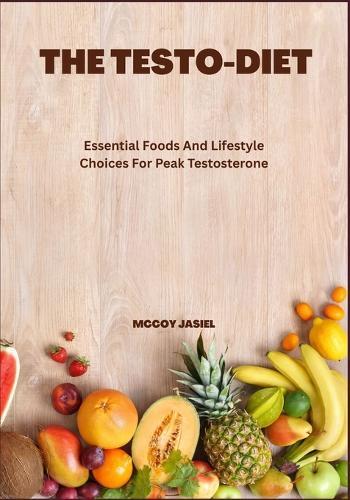
Testosterone is a steroid hormone primarily produced in the testicles in males and in smaller amounts in the ovaries of females and the adrenal glands of both sexes. It plays a key role in the development of male reproductive tissues, including the testes and prostate, as well as promoting secondary sexual characteristics such as increased muscle and bone mass, facial and body hair, and a deeper voice. In both males and females, testosterone is also involved in health and well-being, including mood regulation, energy levels, and libido. Several nutrients play a critical role in the production, regulation, and function of testosterone. Ensuring your diet includes these can help maintain optimal hormone levels, especially in combination with healthy lifestyle habits. Zinc: Role: Supports testosterone synthesis and prevents its conversion to estrogen. Sources: Oysters, beef, pumpkin seeds, lentils, cashews, chickpeas. Magnesium: Role: Involved in testosterone production and reduces oxidative stress that can impair hormone function. Sources: Spinach, almonds, black beans, avocado, whole grains, dark chocolate. Vitamin D: Role: Acts like a hormone in the body; regulates testosterone and overall endocrine health. Sources: Sunlight exposure, salmon, egg yolks, fortified dairy, mushrooms. Vitamin B6: Role: Regulates androgens and supports the hypothalamus-pituitary-testicular axis. Sources: Turkey, bananas, potatoes, fortified cereals, sunflower seeds. Omega-3 Fatty Acids: Role: Reduces inflammation and supports hormone production. Sources: Fatty fish (salmon, mackerel), flaxseeds, chia seeds, walnuts. Selenium: Role: Enhances testosterone biosynthesis and supports sperm health. Sources: Brazil nuts, tuna, eggs, sunflower seeds, whole grains. Boron Role: May boost testosterone levels and reduce sex hormone-binding globulin (SHBG), increasing free testosterone. Sources: Raisins, prunes, almonds, apples, avocados. Vitamin A: Role: Important for the development of Leydig cells, which produce testosterone. Sources: Liver, carrots, sweet potatoes, kale, spinach. Protein (Amino Acids): Role: Provides the building blocks for hormone synthesis and supports muscle mass maintenance. Sources: Meat, eggs, dairy, legumes, protein-rich grains like quinoa. Cholesterol: Role: Precursor molecule used in the body to produce testosterone. Sources: Egg yolks, shellfish, meat (in moderation), dairy products. Modern life presents numerous silent threats to hormonal health. Awareness is the first step by minimizing exposure to hormone disruptors, improving sleep, nutrition, and exercise, and managing stress, you can help protect and restore healthy testosterone levels naturally. Optimizing testosterone levels is crucial for both men and women to maintain overall health, vitality, and well-being. By understanding the science behind testosterone, implementing a testosterone-friendly diet, and embracing healthy lifestyle practices such as exercise, sleep, and stress management, you can naturally support your hormone health.
Full Product Details
Author: McCoy Jasiel
Publisher: Independently Published
Imprint: Independently Published
Dimensions:
Width: 17.80cm
, Height: 0.70cm
, Length: 25.40cm
Weight: 0.249kg
ISBN: 9798289385703
Pages: 136
Publication Date: 23 June 2025
Audience:
General/trade
,
General
Format: Paperback
Publisher's Status: Active
Availability: Available To Order

We have confirmation that this item is in stock with the supplier. It will be ordered in for you and dispatched immediately.