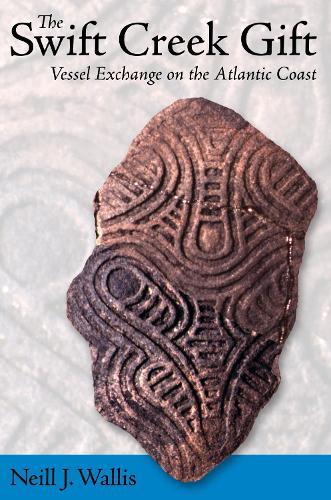
Full Product Details
Author: Neill Wallis
Publisher: The University of Alabama Press
Imprint: The University of Alabama Press
Edition: 2nd ed.
Dimensions:
Width: 15.60cm
, Height: 2.30cm
, Length: 23.50cm
Weight: 0.561kg
ISBN: 9780817317171
ISBN 10: 0817317171
Pages: 264
Publication Date: 28 February 2011
Audience:
Professional and scholarly
,
Professional & Vocational
Format: Hardback
Publisher's Status: Out of Print
Availability: Out of stock

Reviews
While studies in the past have used petrographic analysis, means such as neutron activation analysis, and the recognition of stamped paddle matches to analyze pottery, Wallis combines the results of all three of these types of analysis to produce a clearer understanding of the place of manufacture of Late Swift Creek ceramics on the coast of Georgia and northern Florida. Wallis clearly demonstrates that pots were exchanged between the Altamaha River area of Georgia and the mouth of the St. Johns River area in Florida. He interprets this exchange as evidence of mate exchange between the two areas. He also clearly documents that foreign vessels were used almost exclusively in mortuary contexts in northern Florida. -Marvin T. Smith, author of Archaeology of Aboriginal Culture Change in the Interior Southeast While studies in the past have used petrographic analysis, means such as neutron activation analysis, and the recognition of stamped paddle matches to analyze pottery, Wallis combines the results of all three of these types of analysis to produce a clearer understanding of the place of manufacture of Late Swift Creek ceramics on the coast of Georgia and northern Florida. Wallis clearly demonstrates that pots were exchanged between the AltamahaRiver area of Georgia and the mouth of the St. Johns River area in Florida. He interprets this exchange as evidence of mate exchange between the two areas. He also clearly documents that foreign vessels were used almost exclusively in mortuary contexts in northern Florida. --Marvin T. Smith, author of Archaeology of Aboriginal Culture Change in the Interior Southeast While studies in the past have used petrographic analysis, means such as neutron activation analysis, and the recognition of stamped paddle matches to analyze pottery, Wallis combines the results of all three of these types of analysis to produce a clearer understanding of the place of manufacture of Late Swift Creek ceramics on the coast of Georgia and northern Florida. Wallis clearly demonstrates that pots were exchanged between the Altamaha River area of Georgia and the mouth of the St. Johns River area in Florida. He interprets this exchange as evidence of mate exchange between the two areas. He also clearly documents that foreign vessels were used almost exclusively in mortuary contexts in northern Florida. --Marvin T. Smith, author of Archaeology of Aboriginal Culture Change in the Interior Southeast While studies in the past have used petrographic analysis, means such as neutron activation analysis, and the recognition of stamped paddle matches to analyze pottery, Wallis combines the results of all three of these types of analysis to produce a clearer understanding of the place of manufacture of Late Swift Creek ceramics on the coast of Georgia and northern Florida. Wallis clearly demonstrates that pots were exchanged between the Altamaha River area of Georgia and the mouth of the St. Johns River area in Florida. He interprets this exchange as evidence of mate exchange between the two areas. He also clearly documents that foreign vessels were used almost exclusively in mortuary contexts in northern Florida. Marvin T. Smith, author of Archaeology of Aboriginal Culture Change in the Interior Southeast While studies in the past have used petrographic analysis, means such as neutron activation analysis, and the recognition of stamped paddle matches to analyze pottery, Wallis combines the results of all three of these types of analysis to produce a clearer understanding of the place of manufacture of Late Swift Creek ceramics on the coast of Georgia and northern Florida. Wallis clearly demonstrates that pots were exchanged between the AltamahaRiver area of Georgia and the mouth of the St. Johns River area in Florida. He interprets this exchange as evidence of mate exchange between the two areas. He also clearly documents that foreign vessels were used almost exclusively in mortuary contexts in northern Florida. Marvin T. Smith, author of Archaeology of Aboriginal Culture Change in the Interior Southeast While studies in the past have used petrographic analysis, means such as neutron activation analysis, and the recognition of stamped paddle matches to analyze pottery, Wallis combines the results of all three of these types of analysis to produce a clearer understanding of the place of manufacture of Late Swift Creek ceramics on the coast of Georgia and northern Florida. Wallis clearly demonstrates that pots were exchanged between the AltamahaRiver area of Georgia and the mouth of the St. Johns River area in Florida. He interprets this exchange as evidence of mate exchange between the two areas. He also clearly documents that foreign vessels were used almost exclusively in mortuary contexts in northern Florida. --Marvin T. Smith, author of Archaeology of Aboriginal Culture Change in the Interior Southeast
While studies in the past have used petrographic analysis, means such as neutron activation analysis, and the recognition of stamped paddle matches to analyze pottery, Wallis combines the results of all three of these types of analysis to produce a clearer understanding of the place of manufacture of Late Swift Creek ceramics on the coast of Georgia and northern Florida. Wallis clearly demonstrates that pots were exchanged between the AltamahaRiver area of Georgia and the mouth of the St. Johns River area in Florida. He interprets this exchange as evidence of mate exchange between the two areas. He also clearly documents that foreign vessels were used almost exclusively in mortuary contexts in northern Florida. --Marvin T. Smith, author of Archaeology of Aboriginal Culture Change in the Interior Southeast
While studies in the past have used petrographic analysis, means such as neutron activation analysis, and the recognition of stamped paddle matches to analyze pottery, Wallis combines the results of all three of these types of analysis to produce a clearer understanding of the place of manufacture of Late Swift Creek ceramics on the coast of Georgia and northern Florida. Wallis clearly demonstrates that pots were exchanged between the Altamaha River area of Georgia and the mouth of the St. Johns River area in Florida. He interprets this exchange as evidence of mate exchange between the two areas. He also clearly documents that foreign vessels were used almost exclusively in mortuary contexts in northern Florida. Marvin T. Smith, author of Archaeology of Aboriginal Culture Change in the Interior Southeast
“While studies in the past have used petrographic analysis, means such as neutron activation analysis, and the recognition of stamped paddle matches to analyze pottery, Wallis combines the results of all three of these types of analysis to produce a clearer understanding of the place of manufacture of Late Swift Creek ceramics on the coast of Georgia and northern Florida. Wallis clearly demonstrates that pots were exchanged between the Altamaha River area of Georgia and the mouth of the St. Johns River area in Florida. He interprets this exchange as evidence of mate exchange between the two areas. He also clearly documents that foreign vessels were used almost exclusively in mortuary contexts in northern Florida.” —Marvin T. Smith, author of Archaeology of Aboriginal Culture Change in the Interior Southeast
Author Information
Neill J. Wallis is Assistant Curator in Archaeology at the Florida Museum of Natural History.