Overview
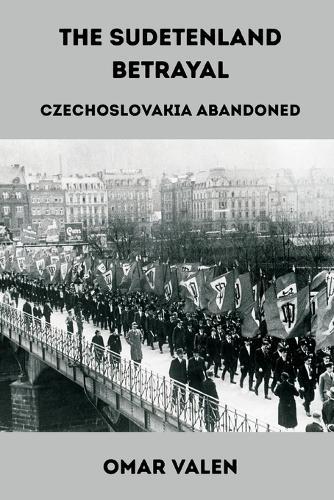
Most people know the image of leaders smiling for cameras after a hurried conference, promising that a signed paper had secured peace. Far fewer know how, in the same weeks, one of Europe's most prepared small states watched its fortifications and borderlands handed away without a shot being fired. This book asks what really happened when a modern democracy was sacrificed at the altar of the Munich Agreement. Across clear, narrative chapters, it follows the making and unmaking of Czechoslovakia, from its precarious beginnings to the Sudetenland crisis. Readers are taken inside British and French discussions, where fear of another war and rearmament gaps drove British-French cabinet debates, and into Prague, where Benes diplomacy fought to keep alliances alive. The story also moves through factory floors and design offices, showing how the Skoda armaments industry and Czech border fortifications shaped both hope and illusion about deterrence. This is a book for readers of European diplomatic history who want more than easy moral lessons. It explains how appeasement, at the time, looked like a way to protect small states while buying time, and why that judgement proved so costly. By the end, readers will have a sharper sense of the real options facing leaders in 1938, and of the enduring lessons of appeasement when powerful states weigh the fate of vulnerable allies.
Full Product Details
Author: Omar Valen
Publisher: Vij Books
Imprint: Vij Books
Dimensions:
Width: 15.20cm
, Height: 1.20cm
, Length: 22.90cm
Weight: 0.281kg
ISBN: 9789347436109
ISBN 10: 9347436100
Pages: 206
Publication Date: 20 February 2026
Audience:
General/trade
,
General
Format: Paperback
Publisher's Status: Active
Availability: Not yet available

This item is yet to be released. You can pre-order this item and we will dispatch it to you upon its release.
Author Information
Omar Valen is a historian and writer who specialises in the borderlands of modern Europe, where maps and peoples rarely line up neatly. His work focuses on how small states navigate the ambitions of neighbouring powers, and how decisions made in distant capitals reshape local lives. He has spent years studying the Sudetenland crisis, drawing on diplomatic records, military studies, and contemporary memoirs to reconstruct how Czechoslovakia was first courted, then abandoned. Valen brings a particular interest in Central European industrial regions and their political importance, from coal and steel to armaments. A long-standing fascination with fortifications and the landscapes around them has taken him to former bunkers, border posts, and Skoda worksites. His writing aims to connect careful archival research with clear, accessible prose so that readers can see how policy, fear, and missed chances combined in moments like Munich, and recognise similar patterns when states are tempted to trade away distant allies today.