Overview
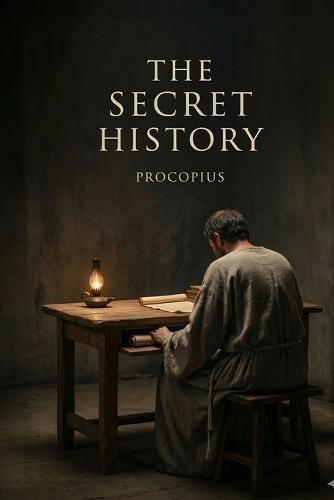
A military official and chronicler under the Eastern Roman emperor Justinian, Procopius is a key primary source for historians studying Justinian's reign. In addition to writing a conventional history of Justinian's wars titled History of the Wars and a panegyric to Justinian's construction projects titled The Buildings, Procopius composed a Secret History supposedly consisting of the incidents he withheld from his previous books.In his Secret History, which was lost for centuries before it resurfaced at the Vatican Library in Rome in the 17th century, Procopius purports to unveil the celebrated Byzantine monarchs Justinian and Theodora for who they really are: corrupt, arbitrary, and literally demonic tyrants. Although considered an authentic text, its invective tone against Justinian and Theodora and its sometimes extravagant accusations (e.g. that Justinian was a demon in human form with a vanishing head) puts it in an unclear position between fiction and history. Nevertheless, the Secret History continues to be an object of study by classicists, and Procopius's purpose for composing such a scathing text remains an object of speculation.A military official and chronicler under the Eastern Roman emperor Justinian, Procopius is a key primary source for historians studying Justinian's reign. In addition to writing a conventional history of Justinian's wars titled History of the Wars and a panegyric to Justinian's construction projects titled The Buildings, Procopius composed a Secret History supposedly consisting of the incidents he withheld from his previous books.In his Secret History, which was lost for centuries before it resurfaced at the Vatican Library in Rome in the 17th century, Procopius purports to unveil the celebrated Byzantine monarchs Justinian and Theodora for who they really are: corrupt, arbitrary, and literally demonic tyrants. Although considered an authentic text, its invective tone against Justinian and Theodora and its sometimes extravagant accusations (e.g. that Justinian was a demon in human form with a vanishing head) puts it in an unclear position between fiction and history. Nevertheless, the Secret History continues to be an object of study by classicists, and Procopius's purpose for composing such a scathing text remains an object of speculation.
Full Product Details
Author: Procopius
Publisher: Les Prairies Numeriques
Imprint: Les Prairies Numeriques
Dimensions:
Width: 15.20cm
, Height: 1.00cm
, Length: 22.90cm
Weight: 0.231kg
ISBN: 9791043138720
Pages: 166
Publication Date: 01 March 2026
Audience:
General/trade
,
General
Format: Paperback
Publisher's Status: Active
Availability: Available To Order

We have confirmation that this item is in stock with the supplier. It will be ordered in for you and dispatched immediately.
Reviews
A military official and chronicler under the Eastern Roman emperor Justinian, Procopius is a key primary source for historians studying Justinian's reign. In addition to writing a conventional history of Justinian's wars titled History of the Wars and a panegyric to Justinian's construction projects titled The Buildings, Procopius composed a Secret History supposedly consisting of the incidents he withheld from his previous books.In his Secret History, which was lost for centuries before it resurfaced at the Vatican Library in Rome in the 17th century, Procopius purports to unveil the celebrated Byzantine monarchs Justinian and Theodora for who they really are: corrupt, arbitrary, and literally demonic tyrants. Although considered an authentic text, its invective tone against Justinian and Theodora and its sometimes extravagant accusations (e.g. that Justinian was a demon in human form with a vanishing head) puts it in an unclear position between fiction and history. Nevertheless, the Secret History continues to be an object of study by classicists, and Procopius's purpose for composing such a scathing text remains an object of speculation.