Overview
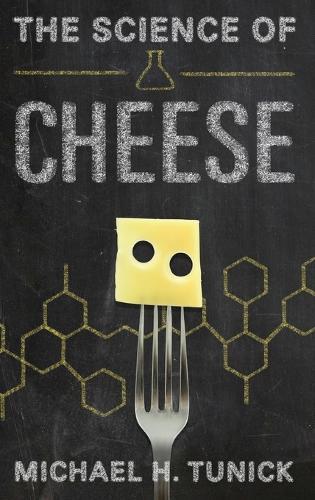
In an engaging tour of the science and history of cheese, Michael Tunick explores the art of cheese making, the science that lies underneath the deliciousness, and the history behind how humanity came up with one of its most varied and versatile of foods.Dr. Tunick spends his everyday deep within the halls of the science of cheese, as a researcher who creates new dairy products, primarily, cheeses. He takes us from the very beginning, some 8000 years ago in the Fertile Crescent, and shows us the accidental discovery of cheese when milk separated into curds and whey. This stroke of luck would lead to a very mild, and something akin to cottage, cheese-deemed delicious enough by our traveling cheese maker that he or she did it again another day.Today we know of more than 2,000 varieties of cheese from Gorgonzola, first noted in year 879, to Roquefort in 1070 to Cheddar in 1500. But Tunick delves deeper into the subject to provide a wide-ranging overview that begins with cows and milk and then covers the technical science behind creating a new cheese, milk allergies and lactose intolerance, nutrition and why cheese is a vital part of a balanced diet. The Science of Cheese is an entertaining journey through one of America's favorite foods.
Full Product Details
Author: Michael H. Tunick (, USDA Agricultural Research Service)
Publisher: Oxford University Press Inc
Imprint: Oxford University Press Inc
Dimensions:
Width: 23.60cm
, Height: 2.50cm
, Length: 15.70cm
Weight: 0.567kg
ISBN: 9780199922307
ISBN 10: 0199922306
Pages: 304
Publication Date: 24 April 2014
Audience:
General/trade
,
General
Format: Hardback
Publisher's Status: Active
Availability: To order

Stock availability from the supplier is unknown. We will order it for you and ship this item to you once it is received by us.
Reviews
Fascinating... Tunick writes in a highly accessible style, with a delightful affinity for the subject matter. The results are essential reading for anyone interested in food science and culture. -- Library Journal (STARRED REVIEW) From 'smear-ripened' Swiss tilsit to the maggot-riddled casu marzu of Italy, cheese can carry a whiff of the surreal. Chemist Michael Tunick tours a sample of the 2,000 known varieties, mingling science (biology, chemistry, physics, nutrition and climatology) and cultural lore to make an accessible whole. If you have ever wondered what links Limburger with foot perspiration (answer: short-chain fatty acids), or how to make mozzarella at home, Tunick is your man. -- Nature
Fascinating... Tunick writes in a highly accessible style, with a delightful affinity for the subject matter. The results are essential reading for anyone interested in food science and culture. -- Library Journal (STARRED REVIEW) From 'smear-ripened' Swiss tilsit to the maggot-riddled casu marzu of Italy, cheese can carry a whiff of the surreal. Chemist Michael Tunick tours a sample of the 2,000 known varieties, mingling science (biology, chemistry, physics, nutrition and climatology) and cultural lore to make an accessible whole. If you have ever wondered what links Limburger with foot perspiration (answer: short-chain fatty acids), or how to make mozzarella at home, Tunick is your man. -- NatureFeatured in The Irish Times. Although readers will find that a basic knowledge of chemistry enhances enjoyment of the book, Tunick writes in a highly accessible style, with delightful affinity for the subject matter. The results are essential reading for anyone interested in food science and culture and especially those seeking a robust introduction to the scientific aspects of homemade and artisanal cheese making, growing ever more popular. --Library Journal This is a lovely book about the 'chemistry' of cheese which both entertains and informs. The information contained is about far more than the science and will interest people of various disciplines. ... The book has an excellent scientific basis and is both well referenced and easy to read. --Nutrition and Food Science
""Fascinating... Tunick writes in a highly accessible style, with a delightful affinity for the subject matter. The results are essential reading for anyone interested in food science and culture."" -- Library Journal (STARRED REVIEW) ""From 'smear-ripened' Swiss tilsit to the maggot-riddled casu marzu of Italy, cheese can carry a whiff of the surreal. Chemist Michael Tunick tours a sample of the 2,000 known varieties, mingling science (biology, chemistry, physics, nutrition and climatology) and cultural lore to make an accessible whole. If you have ever wondered what links Limburger with foot perspiration (answer: short-chain fatty acids), or how to make mozzarella at home, Tunick is your man."" -- Nature ""Tunick is a well-respected food researcher; here, he also demonstrates his skill at communicating science and technology to laypersons. Readers not stimulated to engage in some kitchen magic with milk will definitely gather from this book some fascinating conversation morsels to last a lifetime... Highly recommended."" -- Choice Featured in The Irish Times. ""Although readers will find that a basic knowledge of chemistry enhances enjoyment of the book, Tunick writes in a highly accessible style, with delightful affinity for the subject matter. The results are essential reading for anyone interested in food science and culture and especially those seeking a robust introduction to the scientific aspects of homemade and artisanal cheese making, growing ever more popular."" --Library Journal ""This is a lovely book about the 'chemistry' of cheese which both entertains and informs. The information contained is about far more than the science and will interest people of various disciplines. ... The book has an excellent scientific basis and is both well referenced and easy to read."" --Nutrition and Food Science
Author Information
Michael Tunick is a research chemist with the Dairy and Functional Foods Research Unit of the U.S. Department of Agriculture's Agricultural Research Service.